Mold Cleanup Done to Standard, Not Guesswork
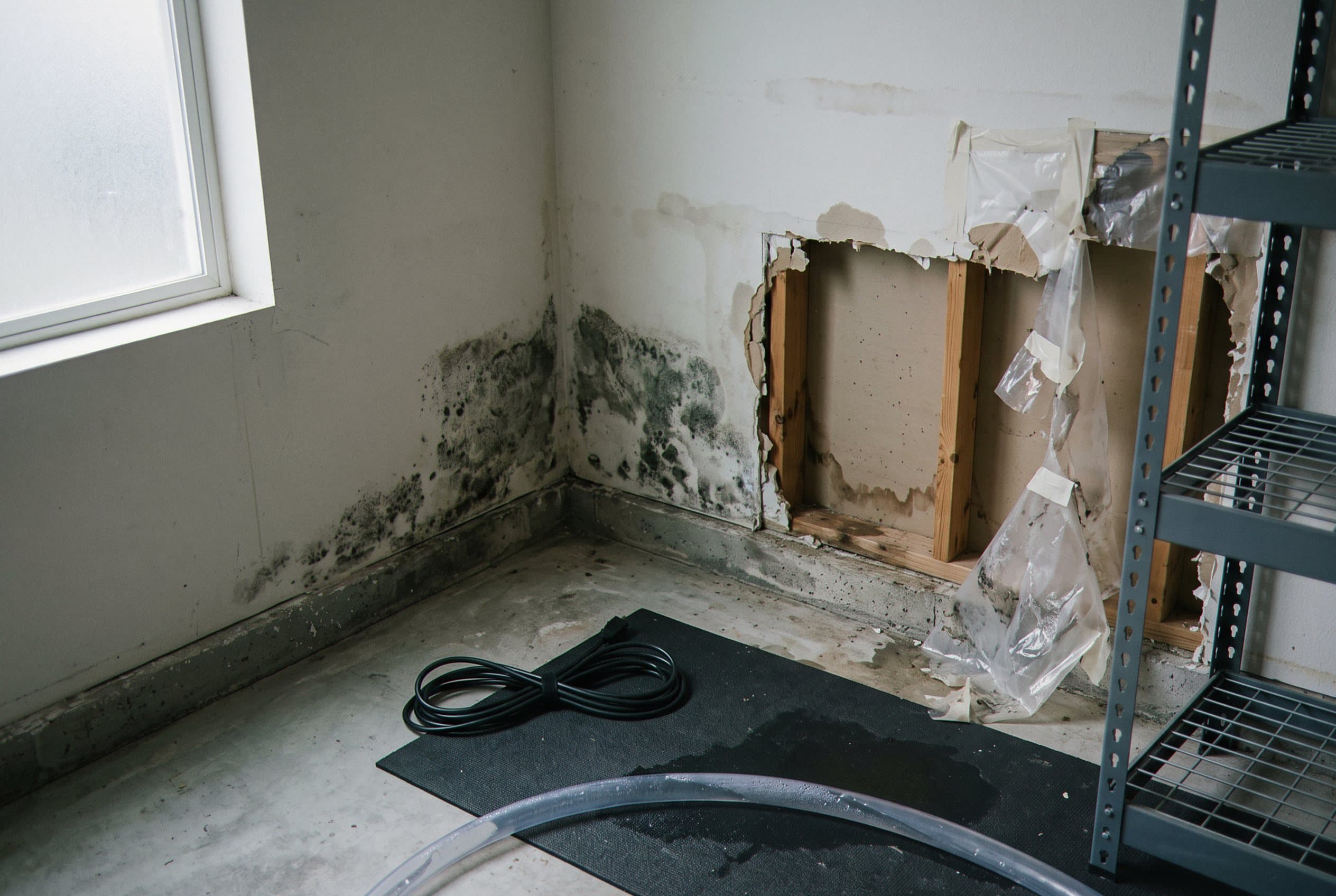
St. Louis summers run humid, and that moisture feeds mold. After a basement leak, a slow pipe drip, or river water from a spring storm, spores take hold within a day or two. A musty smell often shows up first, then dark or fuzzy patches on drywall, trim, or the boxes you have stored downstairs. We treat mold as a moisture problem first. Our crew traces where the water comes from, reads the moisture in walls and floors with meters, and stops the source before we ever touch the growth. Skip that step and the mold comes back in a matter of weeks. Left alone, it spreads across the paper face of drywall and eats into any wood it can reach. We follow the EPA and IICRC guidance for assessment and cleanup, so the work holds up long after we leave your home.
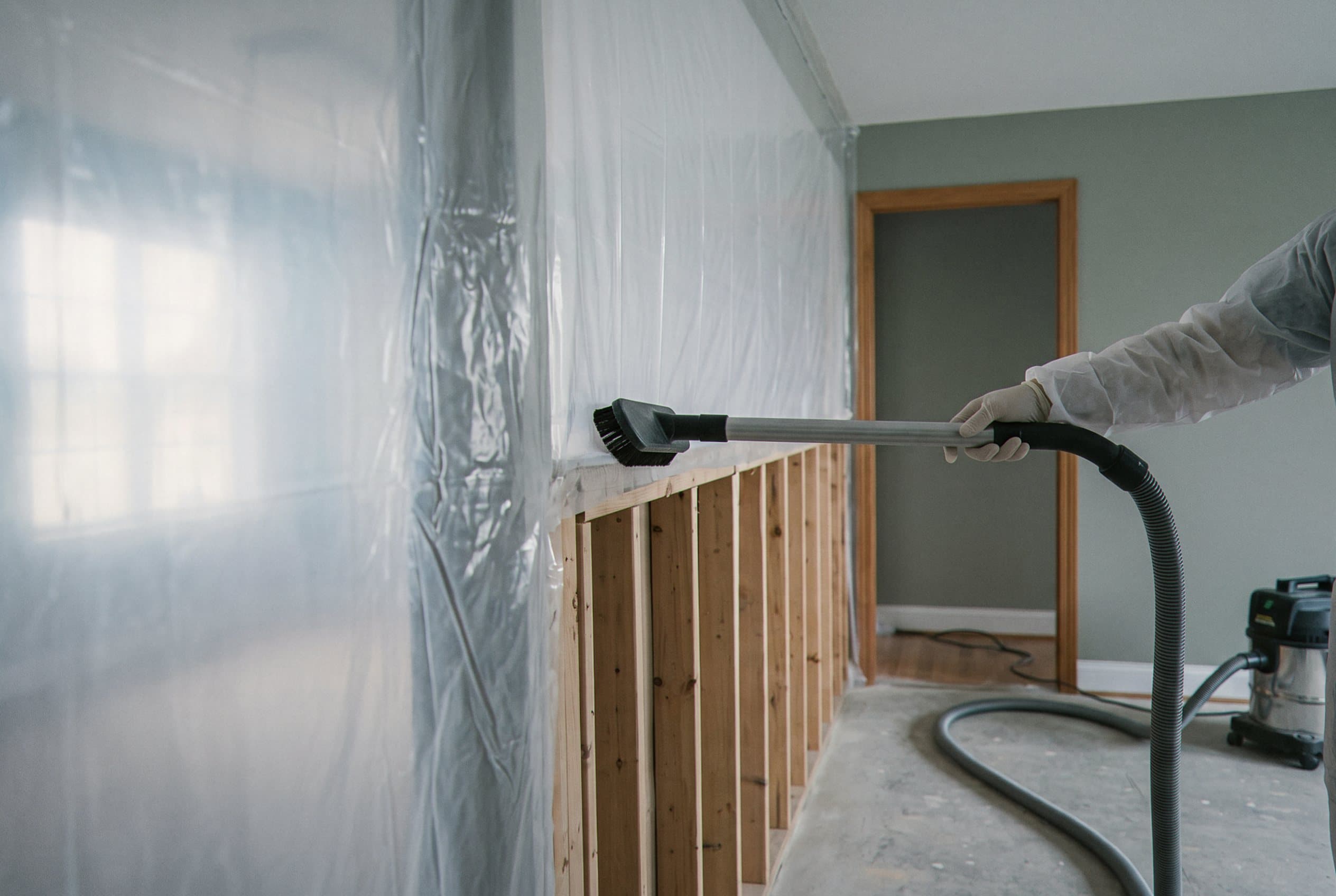
Mold rarely stays in one spot. It travels through drywall, behind baseboards, and into the floor joists of the older brick homes all over this city. Before we remove anything, we seal off the work area with plastic sheeting and run negative air so spores do not drift into clean rooms. We wear respirators. Floors get covered and doorways get taped, so the rest of the house is protected the entire time we are in it. Then we take out what cannot be saved, scrub and treat what can, and dry every surface down to a safe moisture reading. Air scrubbers with HEPA filters run the whole time. We check the rooms next door too, since spores ride the air and settle wherever it is damp. We bag and haul the waste, wipe the cavity clean, and test the air before we call the job done. You get a clear picture of what we found and what we fixed.
- We start by finding the water. Mold is only the symptom, so we trace the leak, the seepage, or the storm water that fed it, shut that source off, and dry the space out before we ever touch the growth.
- We seal the room with plastic sheeting and negative air, the way the EPA and IICRC spell it out, so spores stay inside the plastic and never reach the clean rooms of your home.
- Ruined drywall, carpet pad, and insulation come out. Then we clean and treat the framing, the subfloor, and every surface that is still sound enough to keep.
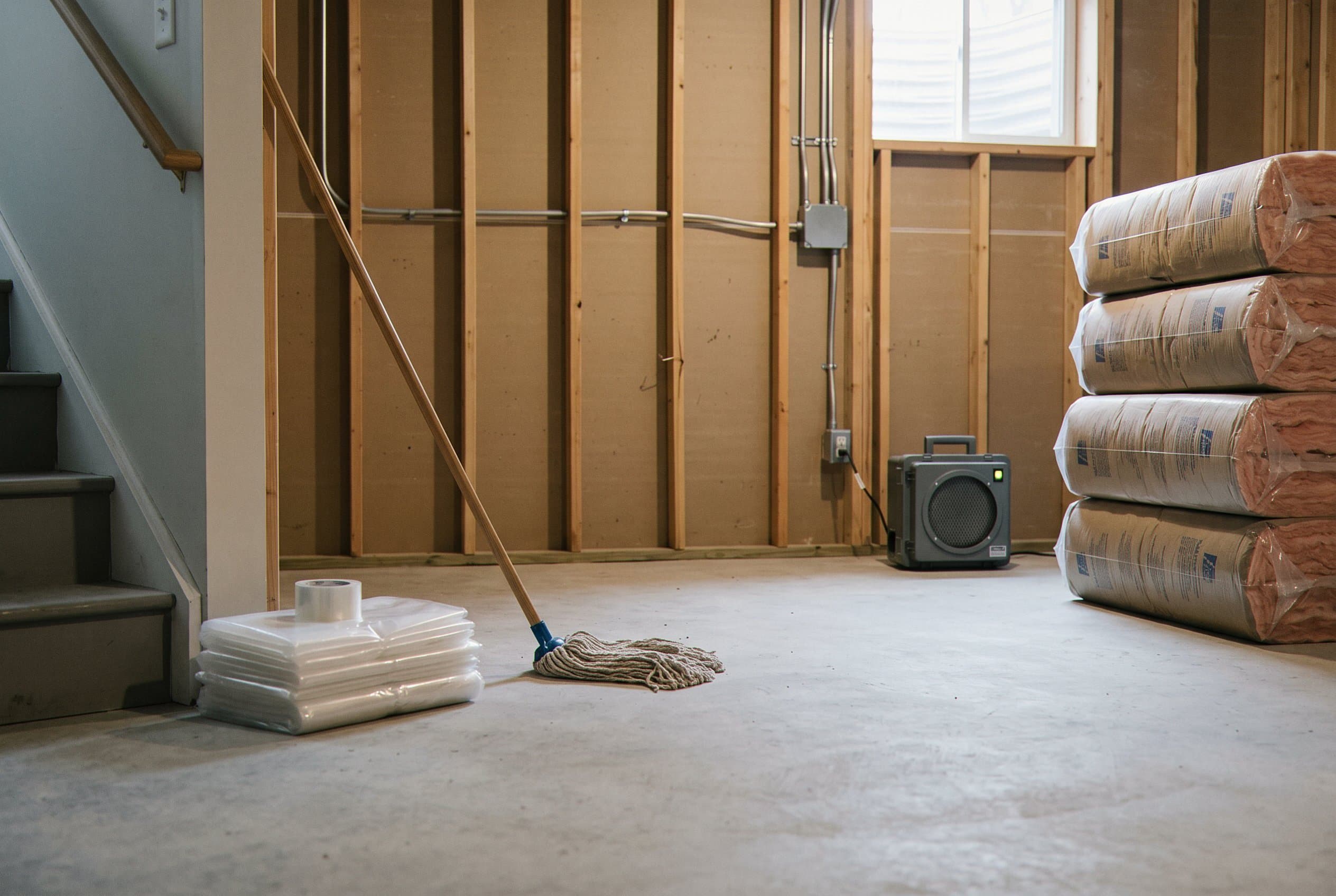
- We dry the structure with air movers and dehumidifiers. Then we prove it with meters, not with a hand on the wall.
- We take the job ourselves and get out fast, often the same day, because mold keeps feeding on damp material every hour you wait.
We work across the St. Louis area, from Soulard and Tower Grove to Kirkwood, Webster Groves, Florissant, and out into St. Charles County. Many homes here sit over full basements that take on water in heavy rain, and that damp lower level is where we find the most hidden mold. We have seen it behind finished walls, under bathroom tile, inside the HVAC returns, and along the rim joist where the foundation meets the framing. From a finished basement near Forest Park to a flooded lower level in South County, the cause is almost always trapped moisture with nowhere to dry. Whatever the spot, we explain the cause in plain terms and give you a straight plan with clear steps. No upselling, no scare tactics, just the work that fixes it for good.
If you smell something musty or see dark spots spreading on a wall, call us. We will inspect the area, find the moisture behind it, and lay out exactly what the cleanup takes. The sooner we get there, the less your St. Louis home loses to mold.