Structural Drying & Dehumidification · St. Louis

Structural Drying and Dehumidification in St. Louis, MO

Pulling the standing water out is only half the job. We dry the framing, subfloor, and drywall down to a safe moisture level so your St. Louis home does not grow mold a week later.

Free Quote

Free Structural Drying & Dehumidification quote.

We reply within 1 business hour. No spam, ever.

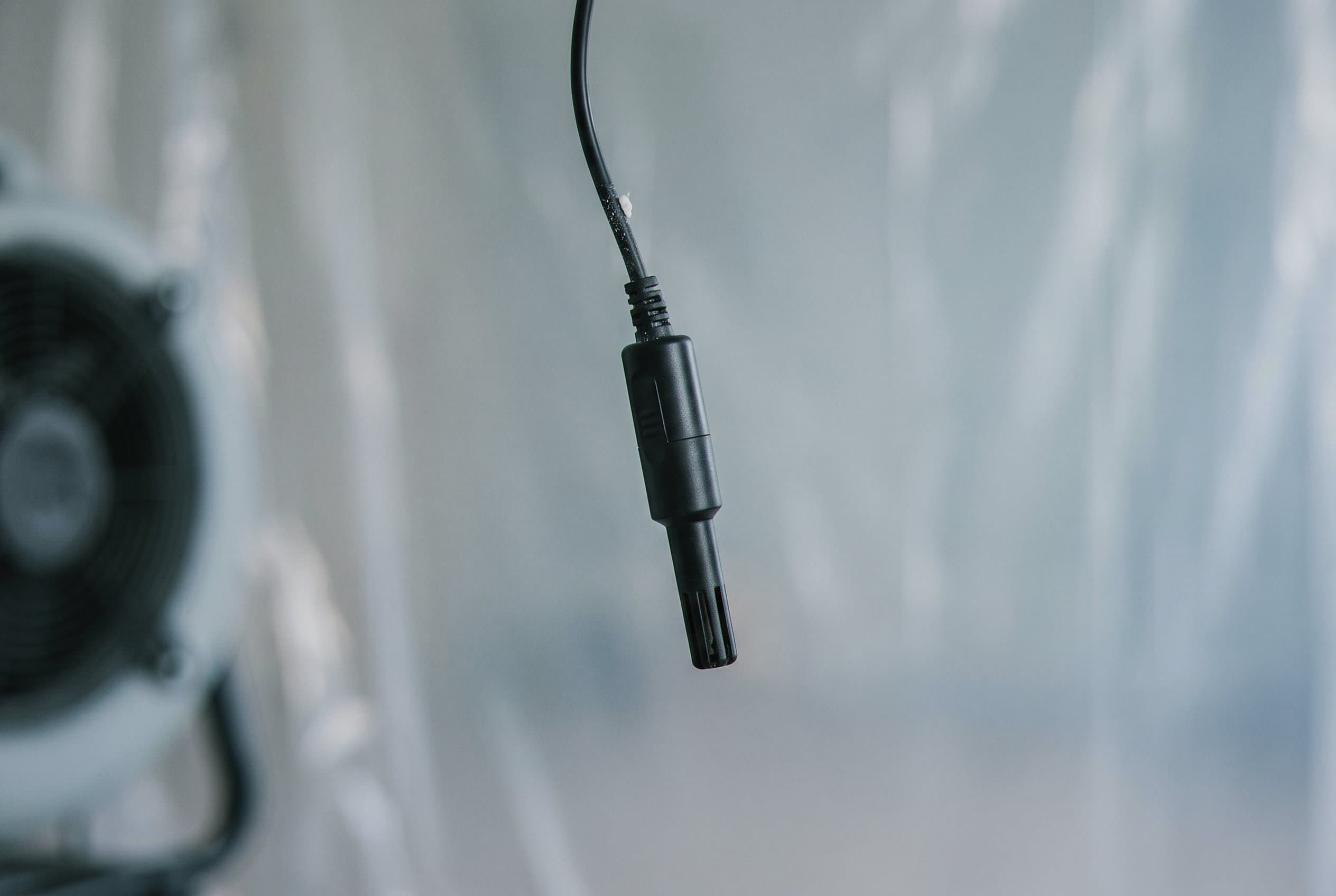
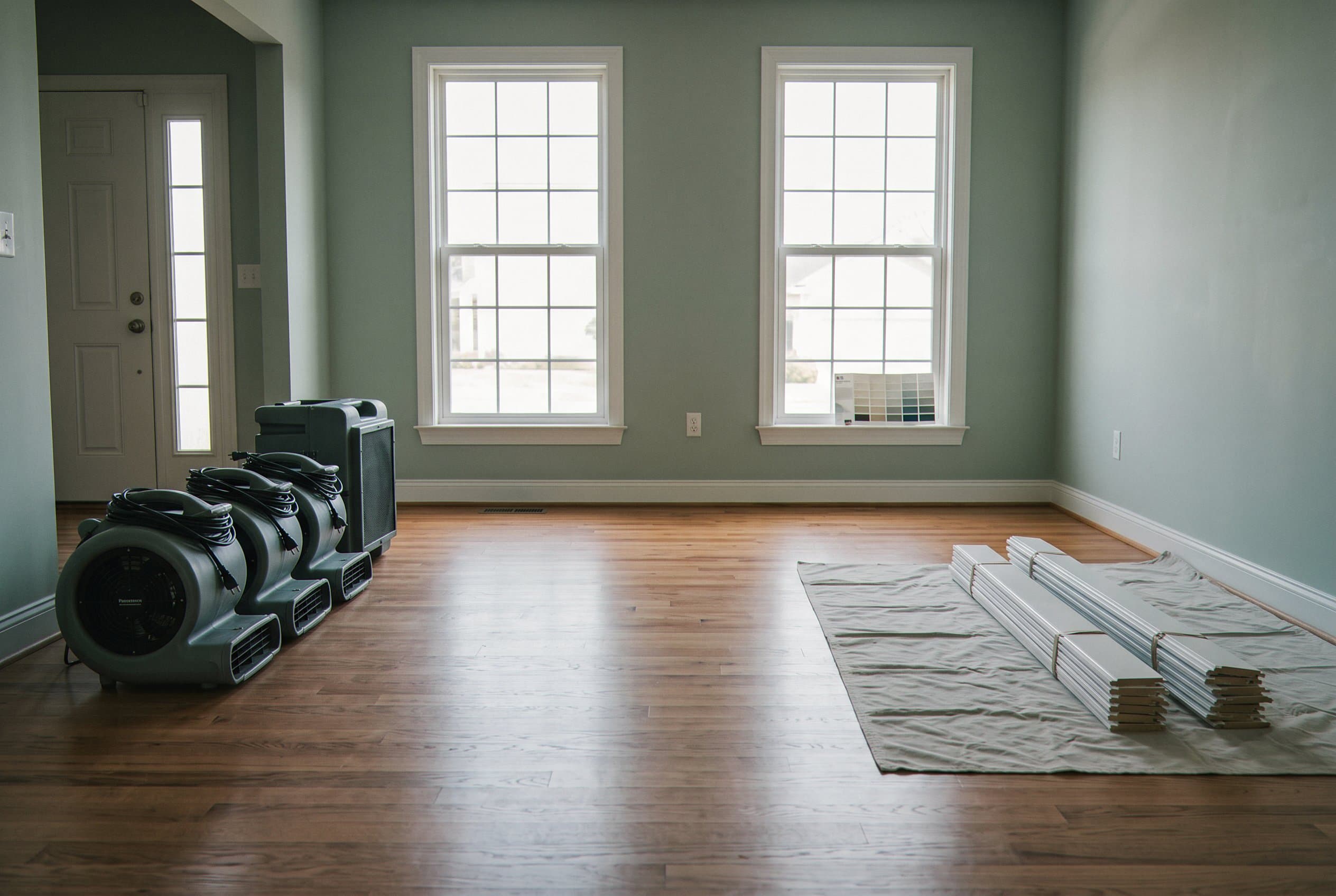
Commercial air movers drying wet drywall
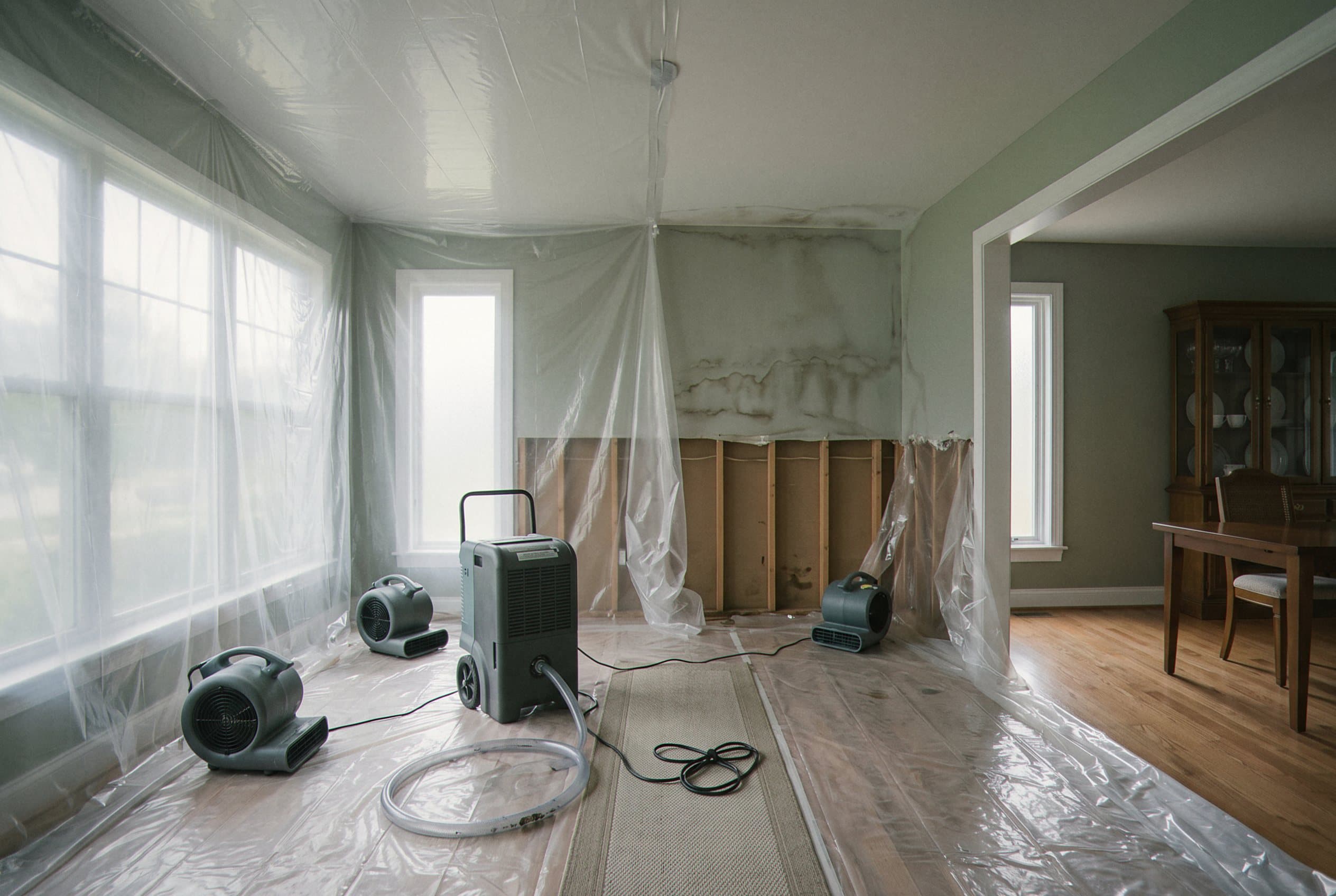
Dehumidifier removing moisture from flooded room
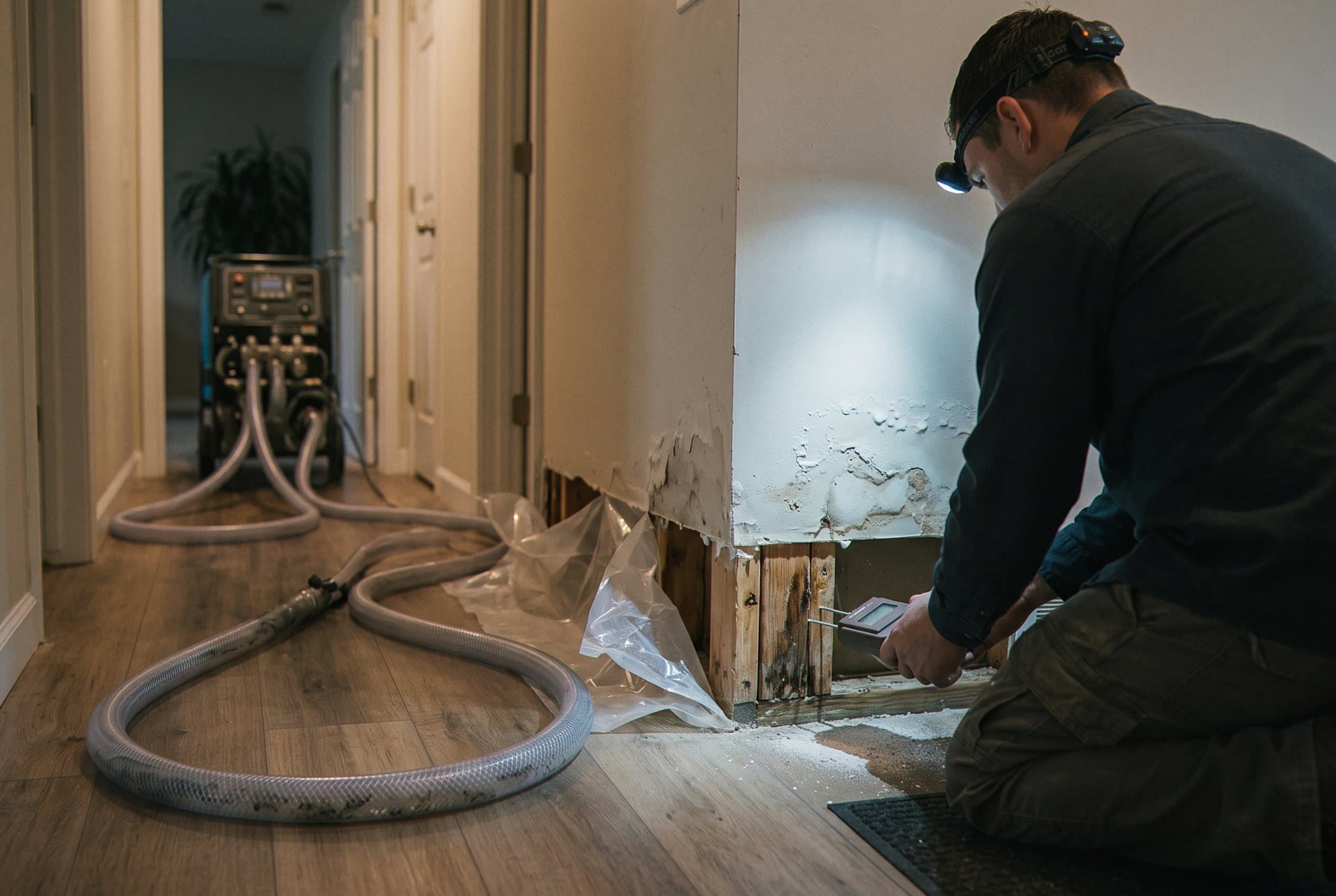
Technician monitoring dehumidifier during structural drying
What we install

Why drying the structure matters in St. Louis

Water moves fast and hides slow. After a pipe lets go or a storm pushes water across the floor, the part you can see dries on its own in a day. The water you cannot see is the real problem. It wicks up into wall cavities, soaks the subfloor, and settles under the baseboards where a towel will never reach. In a St. Louis summer the air is already heavy with humidity, so that trapped moisture sits and feeds mold. Our crew finds it, measures it, and dries it before it turns into a bigger repair.

We start every job with moisture meters and a thermal camera, not a guess. The readings tell us how wet the framing is and how far the water traveled. Then we set air movers to push warm air across the wet surfaces and run dehumidifiers to pull the released moisture out of the room. We track the numbers every day until the wood and drywall read dry by the IICRC S500 standard. That standard is the playbook the whole restoration trade follows, and we hold to it on every home from Kirkwood to Florissant.

  • We dry the structure itself, not just the surface, so mold never gets a foothold
  • Daily moisture readings prove the drywall and framing are actually dry before we pull equipment
  • Air movers and dehumidifiers sized to the room, so St. Louis humidity does not stall the job
  • We protect floors and trim that can be saved, which keeps your repair smaller
  • Straight updates every day, so you always know where the drying stands
Drying is the step people skip, and it is the step that decides whether the mold comes back.

Most of the homes we dry in the St. Louis area have a finished basement, and that is usually where the water ends up. Concrete holds water longer than people expect, and a damp basement slab can keep a room humid for weeks. We dry the slab, the bottom plates, and any wall cavity the water reached. If the carpet pad is soaked we lift it, dry the floor under it, and tell you honestly whether the carpet itself is worth keeping. The goal is a basement that reads dry on a meter, not just one that feels dry to the hand.

If water reached your floors or walls, the clock is already running. Call us and we will get a crew out, measure the damage, and start drying the same day across St. Louis and the surrounding county. We answer our own phone and we do the work ourselves, so you talk to the people who will actually be in your home.
Materials

The equipment we bring and how we use it

Drying a house well is less about fancy gear and more about putting the right tools in the right spots. We bring air movers, which are blowers that sweep moving air across wet walls and floors so the water at the surface evaporates. We pair them with dehumidifiers, which grab that evaporated water out of the air and drain it away before it can soak back into the wood. The trick is balance. Too few machines and the room never reaches dry. Too many in the wrong place and you waste power without drying the spots that matter.

We do not sell you equipment and we do not leave a pile of machines running for show. We size the setup to the wet area and the readings on our meters, then we adjust it as the room dries. A small bathroom leak needs a fraction of what a flooded basement in Affton needs. Every day we check the numbers, move machines toward the spots that are still wet, and pull gear off the rooms that have reached dry. That is how a job finishes in days instead of dragging on for a week.

  • Air movers that sweep moving air across wet walls and floors
  • Dehumidifiers that pull the released water out of the room air
  • Moisture meters and a thermal camera to find water you cannot see
  • Daily readings so we stop only when the structure is truly dry
Dry basement after professional dehumidification treatment
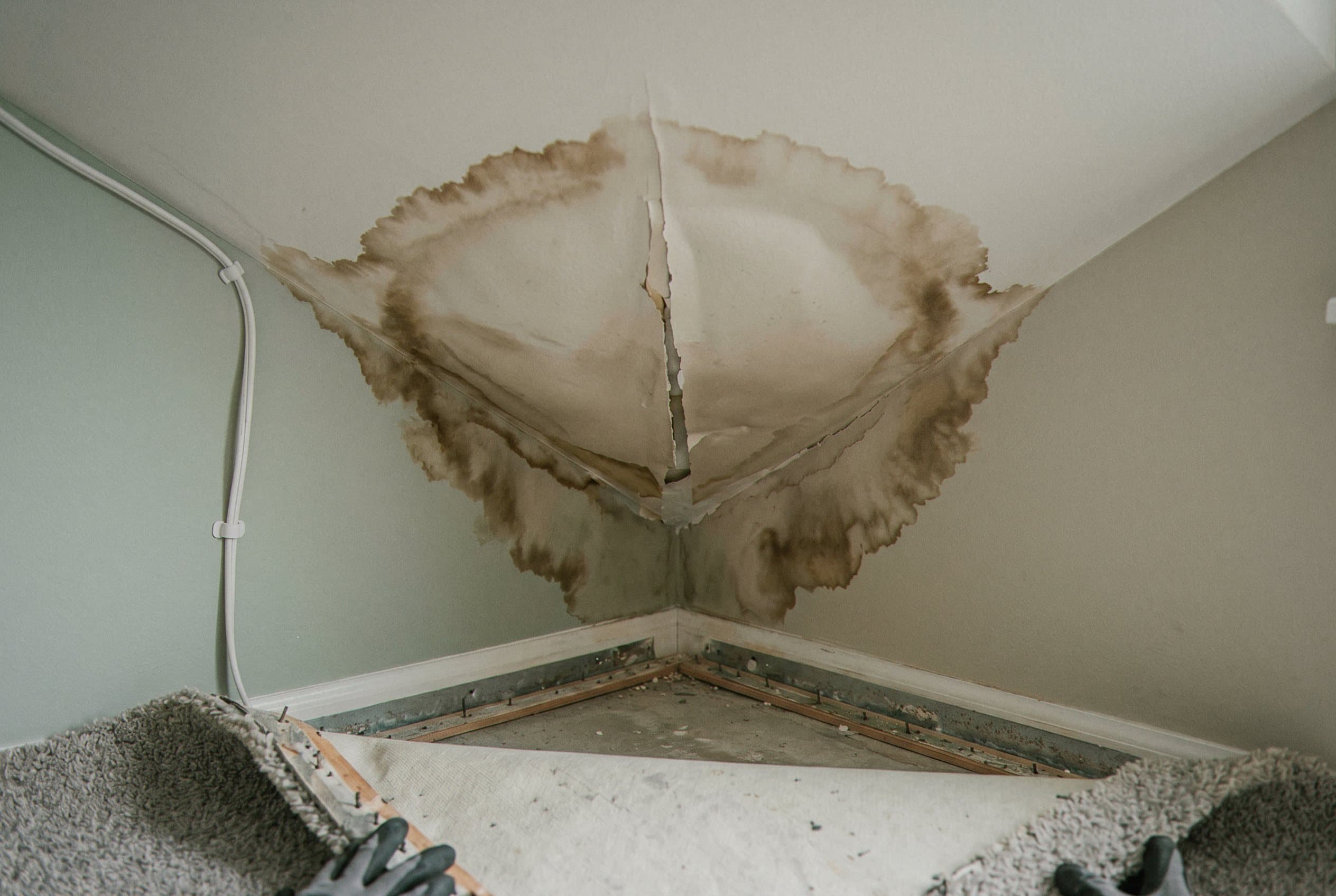
Water-damaged ceiling drywall sagging from moisture
What about the alternatives?

Ways people try to dry a wet St. Louis home

When water hits, the options range from a quick towel job to a full professional dry out. Here is an honest look at what each one actually does.

Professional structural drying

We measure the moisture, set sized equipment, and dry the framing and subfloor to a meter reading. This is the only method that reliably stops mold after real water damage.

Recommended

Box fans and open windows

Fans move some air, but on a humid St. Louis day the open window lets in more moisture than it pushes out. Fine for a tiny spill, useless for a soaked wall.

Acceptable

A rented dehumidifier alone

A single rental unit can help a small damp room, but with no air movers and no readings it leaves the deep moisture in the wood untouched.

Acceptable

Shop vac and towels

Good for the standing water you can see, and worth doing right away. It does nothing for the water already inside the wall and floor.

Acceptable

Wait and let it air dry

In our humid climate the trapped water lingers for weeks, and mold starts growing in the dark long before the room feels dry. This is how a small leak becomes a gut repair.

Skip

Cover the wet spot and ignore it

Paint, new trim, or a rug over wet material seals the moisture in and locks in rot and odor down the road. Never a real fix.

Skip
How it goes

From quote to walk-on, fast.

01

Your inquiry

Call or send the short form with what is going on at your place. A sentence or two is plenty for the first step.

02

We talk it through

We go over the situation on the phone, ask the questions that matter, and tell you what we would do next.

03

A clear plan

You get a plain-language rundown of the work, the order it happens in, and what to expect on the day.

04

The work gets done

Our crew shows up when we said, does the job, and walks you through the result before leaving.

Before you book

Common worries about the drying step

Drying is the part of water damage work that homeowners question most, because the water is already gone and the machines run for days. Here is why it matters and what to expect.

Do I really need drying equipment, or will it dry on its own?
On its own, it will not, at least not before mold starts. The surfaces you can see may dry, but the water inside the wall and under the floor stays wet for weeks in St. Louis humidity. That trapped moisture is exactly what mold needs. Drying equipment pulls it out in days, which is the whole point of the step.
How long does structural drying take?
Most homes dry in three to five days, though a heavily soaked basement can run longer. We do not pick a number and hope. We measure the moisture every day and the readings tell us when the structure has reached dry. We pull the equipment the moment the numbers say the job is done, not before.
Are the machines loud, and do they run all night?
Air movers and dehumidifiers do make steady noise, and yes, they run day and night so the drying never stalls. We place them to keep bedrooms as quiet as we can. The few days of hum are a small trade for a home that does not grow mold behind the wall.
How fast can drying start in St. Louis?
Same day in most cases. The sooner air movers and dehumidifiers go in, the less damage the water does and the more of your floors and trim we can save. Once water has been sitting for a couple of days, mold becomes far more likely, so we move quickly across St. Louis and the nearby suburbs.
Will you dry it or just tear everything out?
We dry whatever can be saved. Tearing out drywall and flooring is faster for the crew, but it costs you more and is often unnecessary. We only remove material that is too far gone to dry, and we prove it with meter readings rather than ripping things out to be safe.
How do I know the structure is actually dry?
By the numbers, not by feel. We log moisture readings on the framing, subfloor, and drywall every day, and we show you where they land. When the wet materials read the same as the dry materials nearby, the structure is dry and we stop. You get a clear picture, not just our word.
Aftercare

Keeping your St. Louis home dry after we leave

Once the structure reads dry, a little upkeep keeps it that way. St. Louis weather swings from soaking spring storms to thick summer humidity, and both push moisture toward your basement and lower walls. A few simple habits go a long way toward making sure you never need us back for the same room.

  • Run a dehumidifier in the basement through the humid summer months, and empty the tank or set it up to drain on its own
  • Test your sump pump before spring storm season
  • Clear your gutters and aim every downspout well away from the foundation, so heavy rain drains off and stays out of the basement
  • Watch for musty smells, which are usually the first hint that water is back
  • Check around water heaters, washers, and supply lines every few months for the kind of slow leak that starts small and spreads
  • Call us early if you spot a damp spot, because a quick dry out beats a full repair
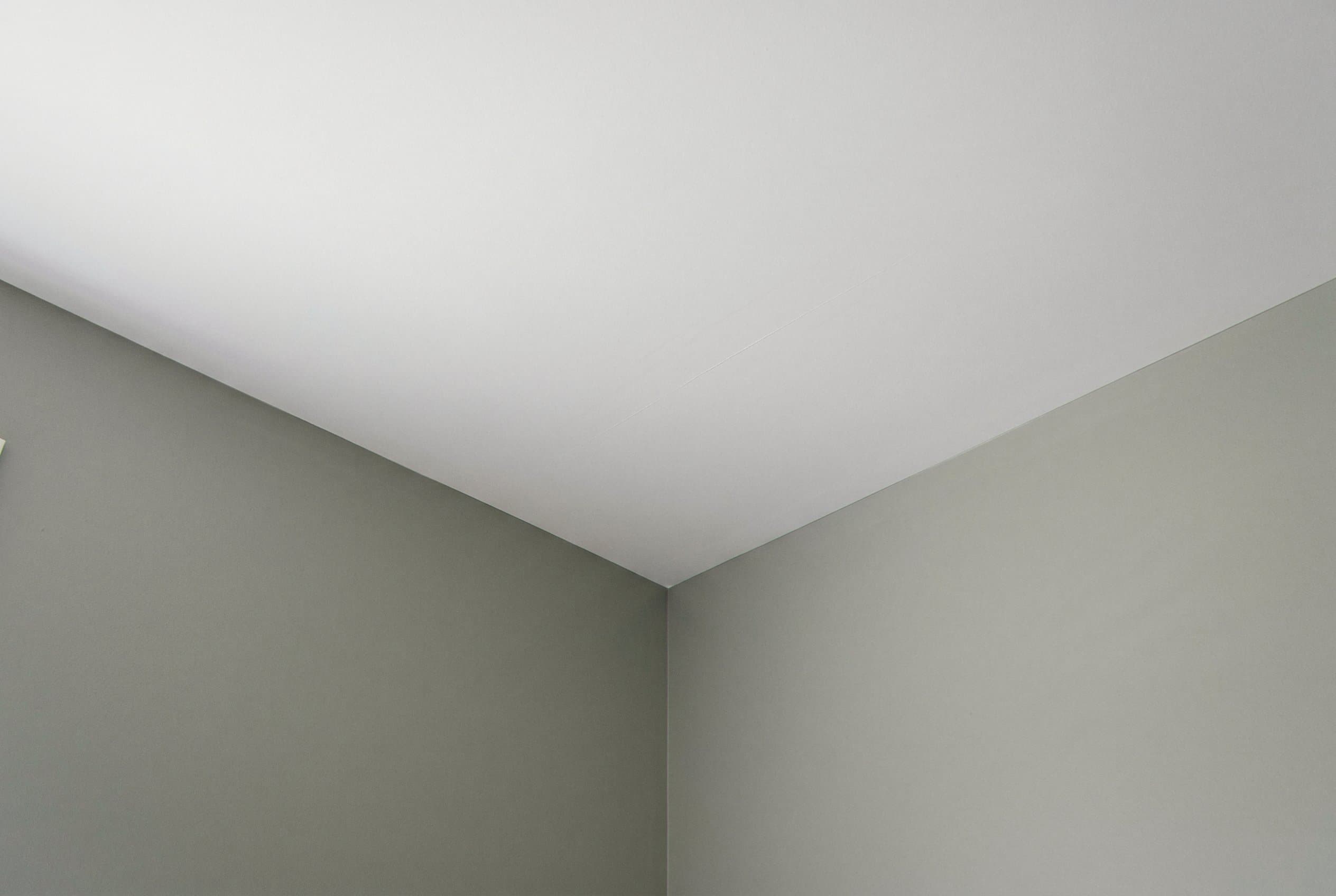
Replaced ceiling drywall now smooth and dry
FAQ

Structural drying questions St. Louis homeowners ask

Ready when you are

Let's make your next steps easier

Tell us what is going on at your St. Louis home and we will walk you through the options. One call or one short form is all it takes.

Call (314) 597-7468Make your inquiry
CallContact us