

Emergency Water Removal · St. Louis

Emergency Water Removal in St. Louis, MO

Standing water in your home or business? We answer the phone day or night and get a crew moving across the St. Louis area fast.

Free Quote

Free Emergency Water Removal quote.

We reply within 1 business hour. No spam, ever.

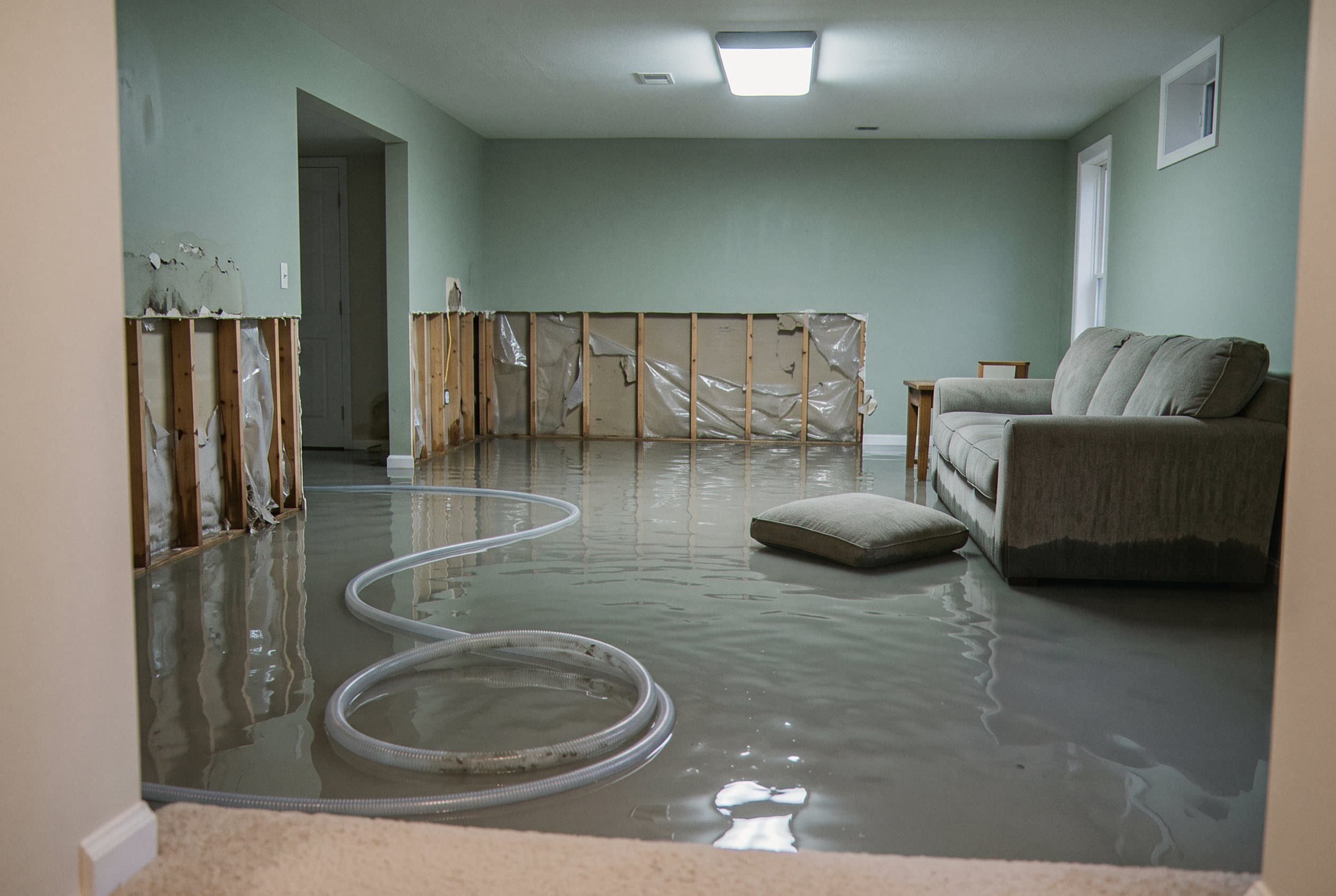
Basement flooded with standing water
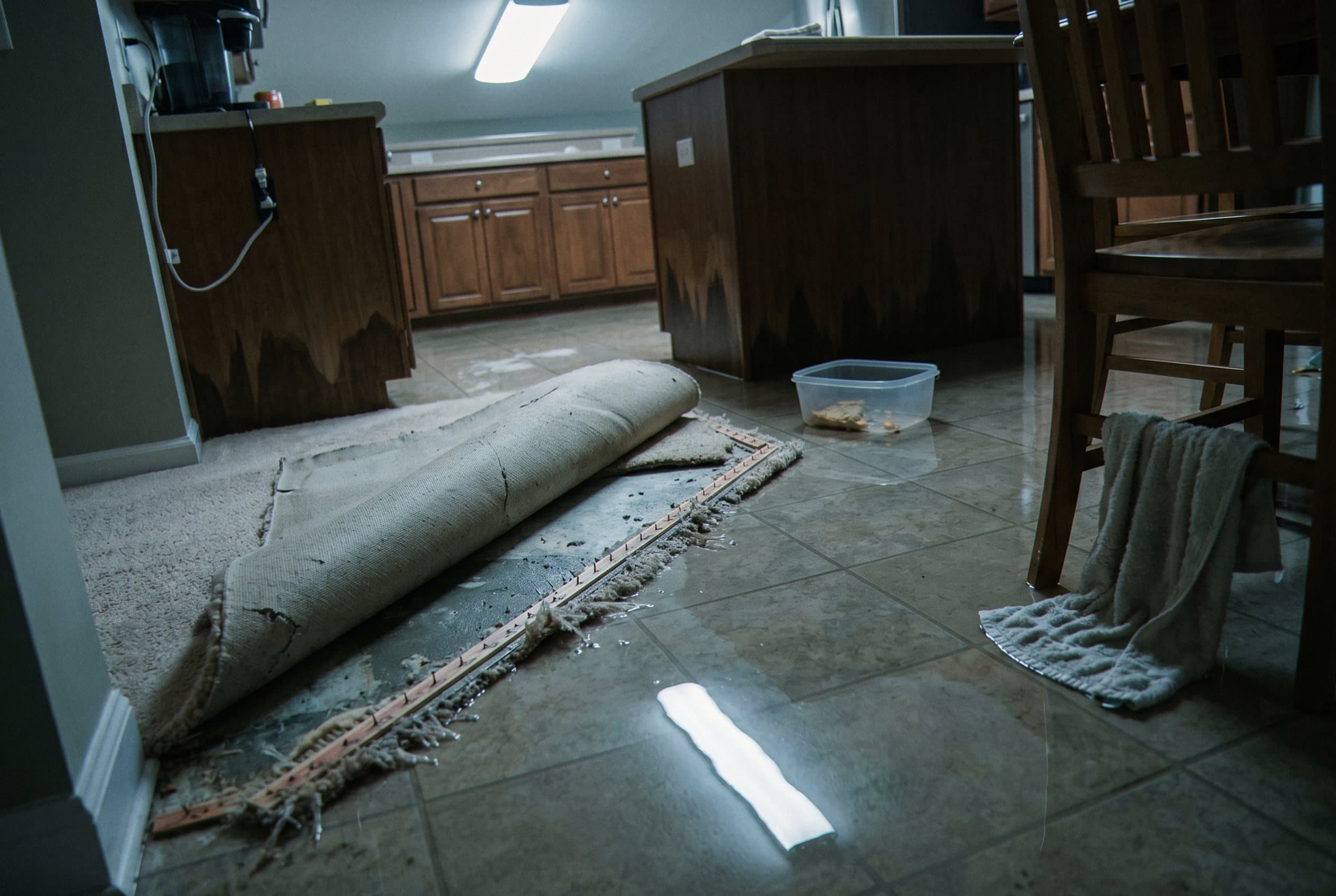
Water extraction equipment removing pooled water
Basement severely flooded with standing water
What we install

How we get the water out and your home dry

When a pipe lets go or a storm pushes water into your home, every hour counts. Water spreads fast. It soaks into drywall, runs under flooring, and wicks up into the framing of your house. We take emergency calls across St. Louis and the nearby suburbs, and we move quickly to pull that water out before it does deeper harm. Our crew brings truck mounted pumps and strong extractors, so we can clear standing water from a basement or a main floor in one visit. The sooner we start, the less we have to tear out later.

St. Louis homes flood for a lot of reasons. Heavy spring rain backs up a storm drain. A sump pump fails during a downpour and the basement fills. A supply line behind the washer splits while you are at work. In the cold months a frozen pipe bursts overnight and floods a whole floor by morning. Whatever the cause, the first job is the same. We remove the water, and we do it in a way that protects the rest of the house. We map where the water has traveled, then we pull it from the lowest point up.

  • We pick up the phone day and night, so a crew can be headed your way fast.
  • Truck mounted pumps and extractors clear standing water in one visit, not over several days.
  • We protect your floors and walls while we work, so there is less to rebuild after.
  • We document the loss with photos and readings and share it with your insurance adjuster.
  • We serve St. Louis city and the surrounding county, from Kirkwood to Florissant.
We treat your home the way we would want ours treated, fast, careful, and honest about what it will take.

Once the standing water is gone, the work is not done, and we never stop there. Water hides. It sits inside wall cavities and under the slab of a finished basement, where you cannot see it. We use moisture meters and thermal cameras to find those wet spots, then we set air movers and dehumidifiers to dry the structure all the way through. This is the step that prevents mold and warped floors a few weeks down the road. We check the readings each day until the materials are back to a normal, dry level.

Water damage is stressful, and you should not have to face it alone. Call us the moment you see standing water. We will talk you through what to do right now, then we will get a crew rolling to your door. From the first phone call to the last dry reading, you deal with our team, the same people who do the work.

Materials

The gear we bring to a water emergency

Pulling water out fast takes the right equipment. We show up with all of it on the truck, from heavy pumps down to the smallest moisture meter. For deep standing water we run submersible pumps that move many gallons a minute and do not quit until the floor is clear. For the water soaked into carpet and pad, we use strong extractors that pull moisture straight out of the fibers. Then the drying gear takes over. Air movers push a steady stream of air across every wet surface while dehumidifiers quietly pull the damp out of the room. Together they dry your home from the inside out.

We do not hand you a stack of rental machines and wish you luck. Speed matters. Our crew sets the equipment, watches it through the night, and adjusts it hour by hour as the structure slowly gives up its water. We follow the drying standards set by the IICRC, the trade body that writes the rules for our work. We dry to a measured number, not to a guess. When the meters finally read normal, the job is truly done.

  • Submersible pumps for deep standing water
  • Truck mounted extractors for soaked carpet and pad
  • Air movers and dehumidifiers for full structural drying
  • Moisture meters and thermal cameras to find hidden water
Dried and cleaned basement ready for rebuild
What about the alternatives?

Your options when water floods in

When the water rises you have a few choices. Here is an honest look at each one, and where it leaves you.

Call our emergency crew

We pump out the water, dry the structure to a measured reading, and document the whole loss for your insurance claim, all in a single visit.

Recommended

Rent pumps and a wet vacuum

A rental moves surface water. It will not reach the moisture trapped inside your walls or under a finished floor.

Acceptable

Call a general handyman

A handyman can mop a small spill, but most are simply not set up to dry a home to a real standard.

Acceptable

Run fans and open the windows

Fans and open windows help a bit. They cannot pull deep moisture out of soaked framing and pad.

Acceptable

Soak it up with towels

Towels are fine for a cup of water. For a flooded room they do almost nothing, and what stays behind feeds mold fast.

Skip

Wait for it to drain on its own

Standing water that just sits will soak deeper by the hour, and it almost always leads to a bigger tear out down the line.

Skip
How it goes

From quote to walk-on, fast.

01

Your inquiry

Call or send the short form with what is going on at your place. A sentence or two is plenty for the first step.

02

We talk it through

We go over the situation on the phone, ask the questions that matter, and tell you what we would do next.

03

A clear plan

You get a plain-language rundown of the work, the order it happens in, and what to expect on the day.

04

The work gets done

Our crew shows up when we said, does the job, and walks you through the result before leaving.

Before you book

Worried about the cost or the mess? Read this first.

Most folks who call us are stressed and unsure what happens next. Here are the questions we hear most, answered straight.

How fast can you get here?
We take calls day and night and aim to have a crew at your St. Louis door within the hour. In a true emergency, minutes matter, so we keep trucks stocked and ready to roll.
Do you work with my insurance?
Yes. We document the loss with photos, moisture readings, and a written scope, and we share all of it with your adjuster. We have worked alongside every major carrier and we know what they need to approve a claim.
Will you have to tear out my walls and floors?
Not always. The faster we get the water out and the drying started, the more we can save. We only remove what is too far gone to dry, and we explain why before we touch a thing.
How fast can emergency water removal start in St. Louis?
Often the same hour you call. Once a crew arrives we begin pumping right away, then move into extraction and drying without waiting for a second visit.
What should I do before you arrive?
If it is safe, shut off the water source and cut the power to the flooded area. Move what you can to a dry spot. Then stay clear of standing water, since it can hide hazards, and let us handle the rest.
Do you handle both homes and businesses?
We do. From a flooded basement in Webster Groves to a soaked shop floor in downtown St. Louis, our crew brings the same gear and the same urgency to every job.
Aftercare

How to lower your flood risk after we leave

Once your home is dry, a few habits keep water from catching you off guard again. St. Louis weather swings hard, from soaking spring storms to deep winter cold, so a little prep goes a long way. None of this is fancy. Most of it costs almost nothing, yet it heads off the bulk of the floods we get called out for. Walk your home with this list once a season.

  • Test your sump pump every few months, and keep a battery backup ready in case the power drops in the middle of a storm.
  • Clear your gutters and downspouts so heavy rain flows away from the foundation, not toward it.
  • Twice a year, check the supply lines behind your washer, water heater, and sinks for any bulge or rust.
  • On the coldest winter nights, let a faucet drip and keep your heat on to guard against a frozen pipe.
  • Know where your main water shutoff is, and make sure everyone in the house can find it fast.
  • After a big rain, look in the basement early, because a small leak caught soon never becomes a flooded floor.
Basement flooded with standing water
FAQ

Common questions about emergency water removal in St. Louis

Ready when you are

Let's make your next steps easier

Tell us what is going on at your St. Louis home and we will walk you through the options. One call or one short form is all it takes.

Call (314) 597-7468Make your inquiry
CallContact us