Flood Damage Cleanup · St. Louis

Flood Damage Cleanup in St. Louis After Storms and River Crests

When a flood hits your St. Louis home, our crew pumps the water out, dries the structure, and starts cleanup the same day.

Free Quote

Free Flood Damage Cleanup quote.

We reply within 1 business hour. No spam, ever.

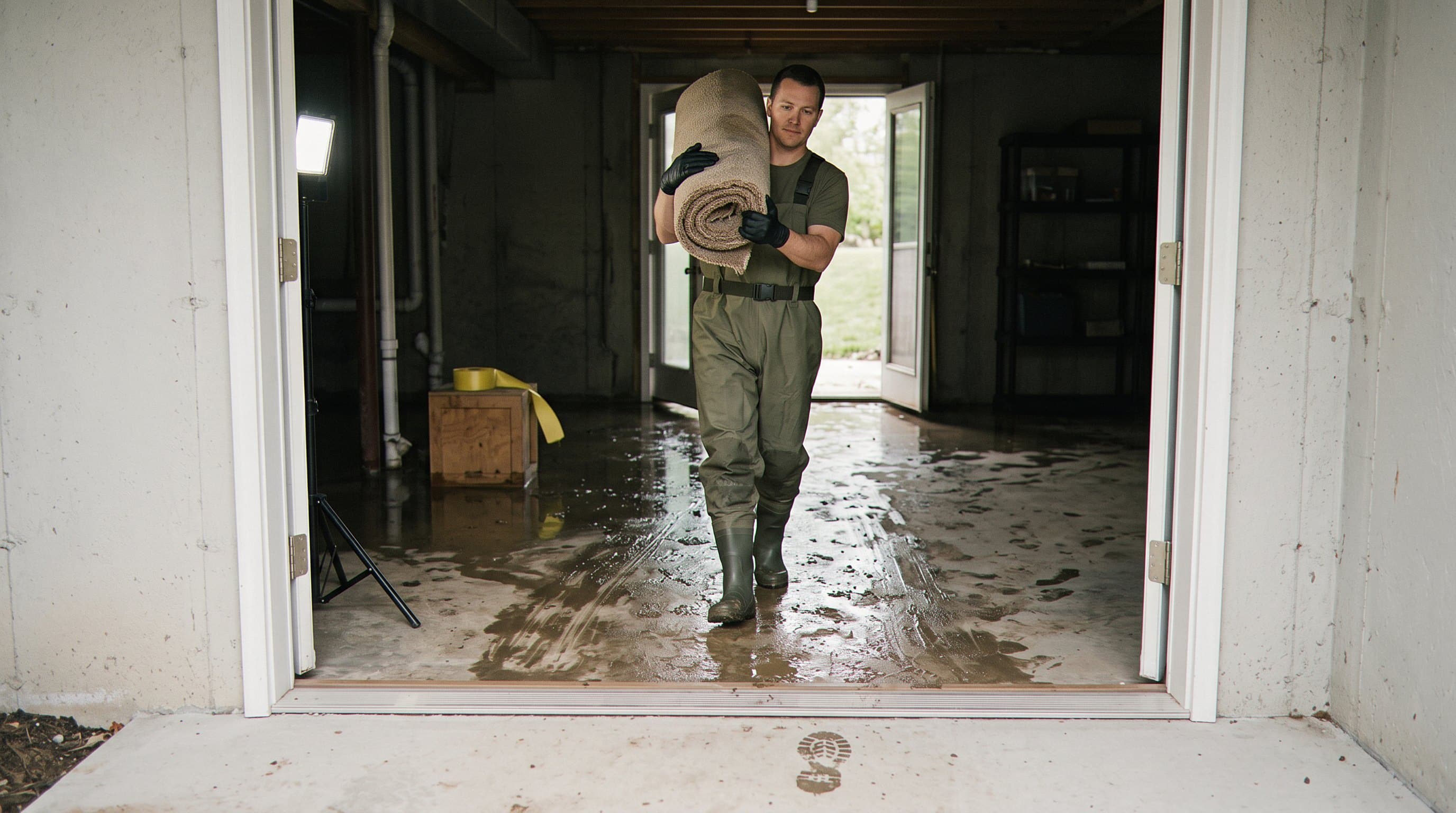
Flooded St. Louis basement after river rising
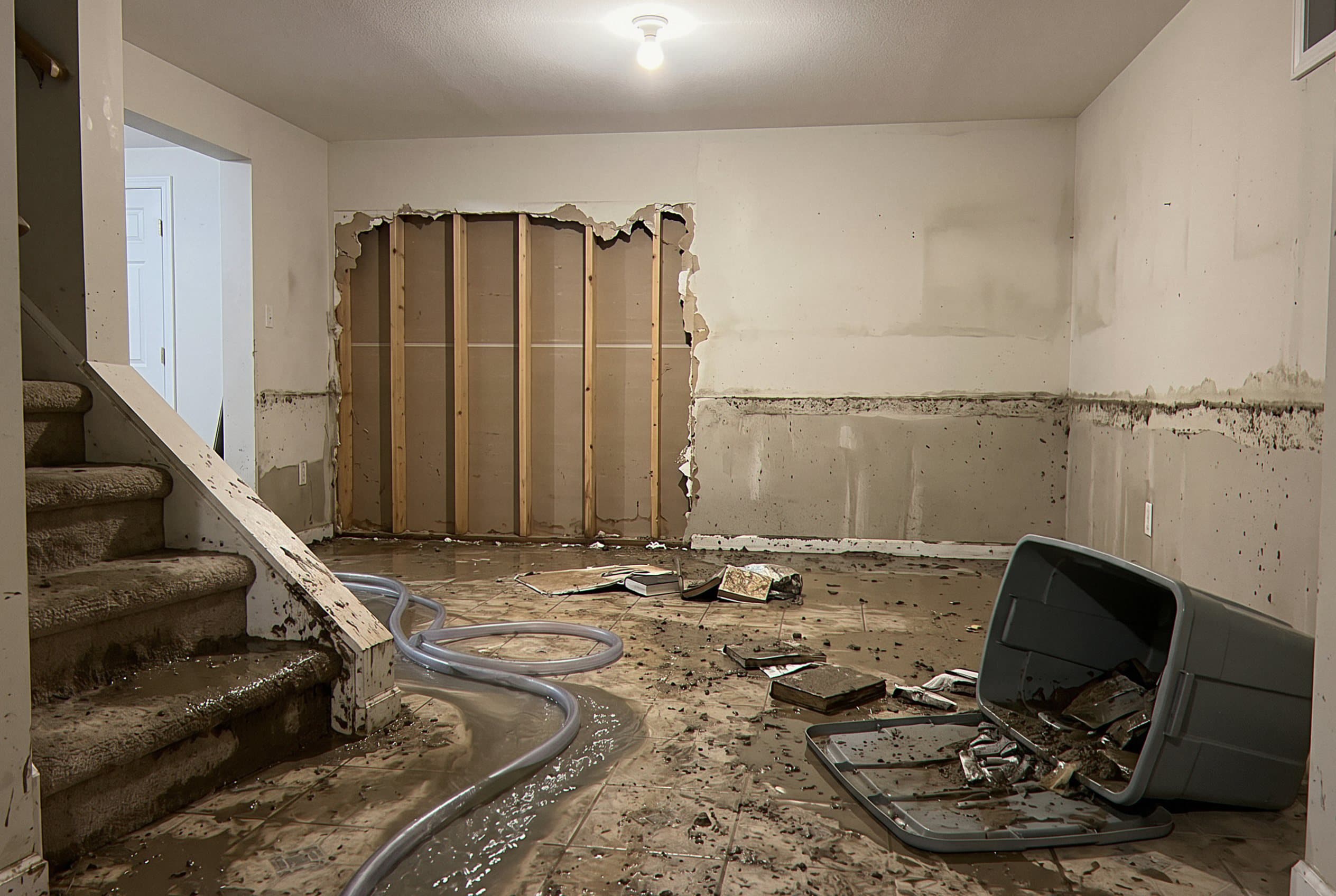
Standing flood water in finished basement
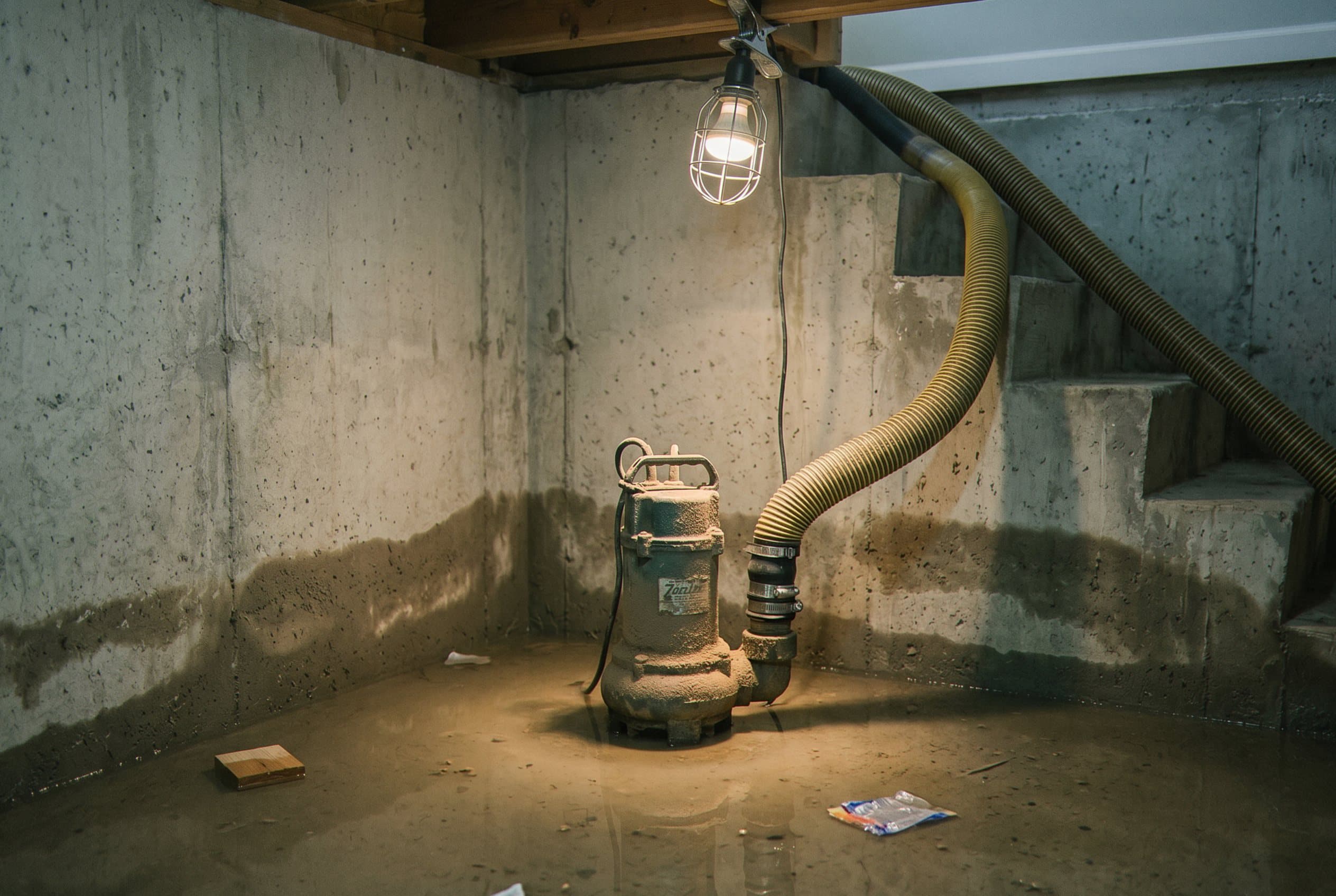
Submersible pump removing deep floodwater fast
What we install

We Get Floodwater Out and Your Home Dry

A flood does not wait for a good time. A summer storm stalls over the metro, the River Des Peres backs up, and water pushes into your lower level while you sleep. By morning the carpet squishes, boxes float, and that musty smell is already in the air. We handle flood damage cleanup across St. Louis, and we start by removing the water fast with truck mounted pumps and wet vacuums. If the water is still rising, our emergency water removal crew can be on the way while we stay on the phone with you.

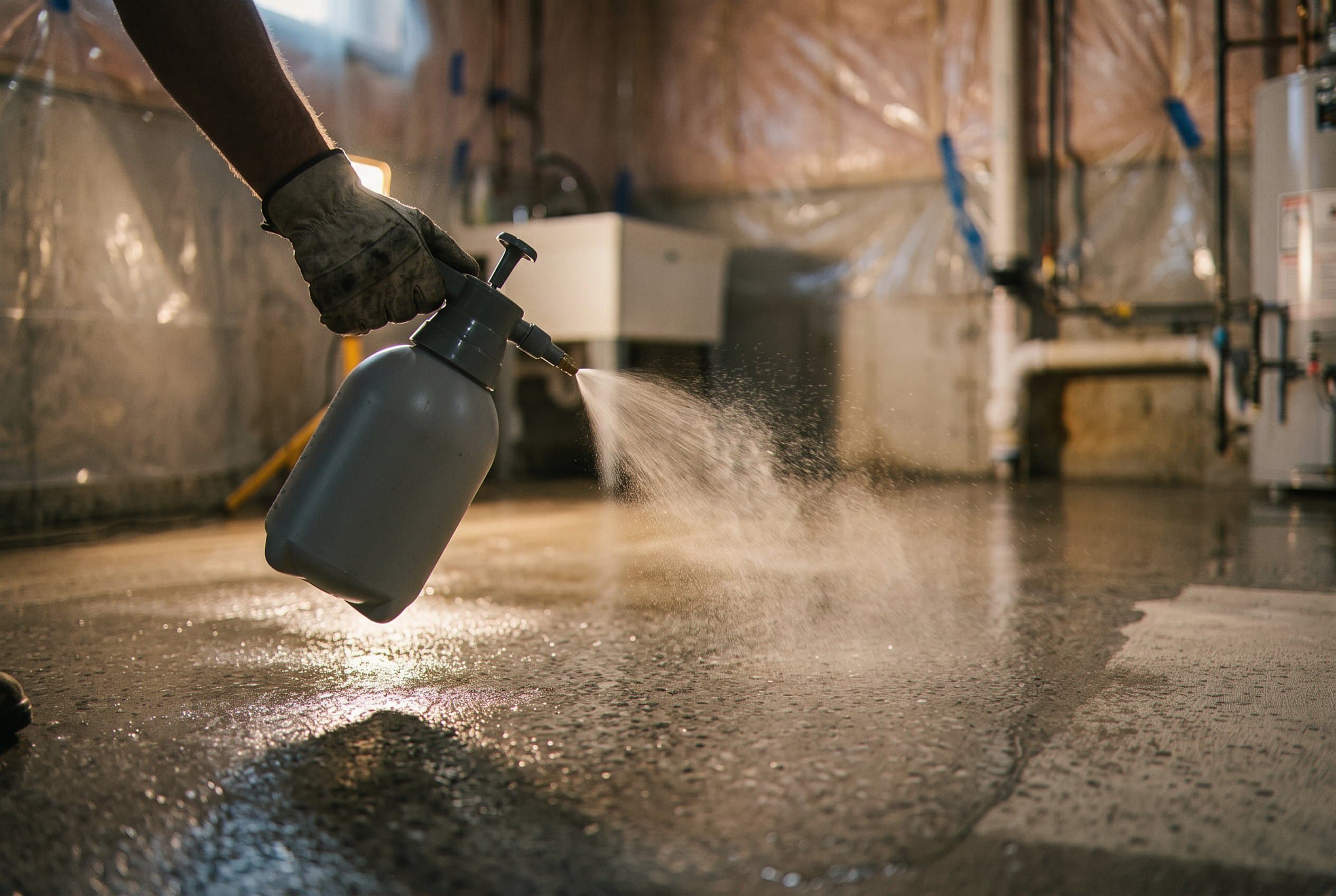
Our process follows the order that actually dries a home. First we pump out standing water and pull up soaked carpet, pad, and ruined contents. Then we set air movers and dehumidifiers sized to the room, and we follow IICRC drying targets so the framing and subfloor reach a safe moisture level, not just a dry surface. We check daily with moisture meters and log the numbers, because a floor can feel dry on top while the wood underneath stays wet. When floodwater carries mud or sewage, we clean and apply an antimicrobial before anything gets closed back up.

  • Standing water pumped out fast before it climbs into walls and floors
  • Soaked carpet, pad, and ruined contents hauled out and off your hands
  • Structure dried to IICRC targets, checked daily with moisture meters
  • Mud and sewage cleaned, then treated to stop mold from starting
  • One local crew answers the phone and stays through the whole job
Flood in your St. Louis home? We pump it out, dry it right, and prove it with the numbers.

We live and work in the St. Louis area, so we know how fast water moves here. We have pumped out basements in Florissant after a spring downpour, dried homes in Valley Park when the Meramec came up, and cleaned lower levels in St. Charles and Kirkwood. Because we are local, our crew reaches most neighborhoods quickly, and you talk to the same people from the first call to the last dry reading. We do the work ourselves, so nothing about your home gets passed down a chain.

If your home took on water, the clock is already running. Call now and our St. Louis crew will start the pump out and drying today. One phone call gets the cleanup moving.
Materials

What We Pull Out and What We Save

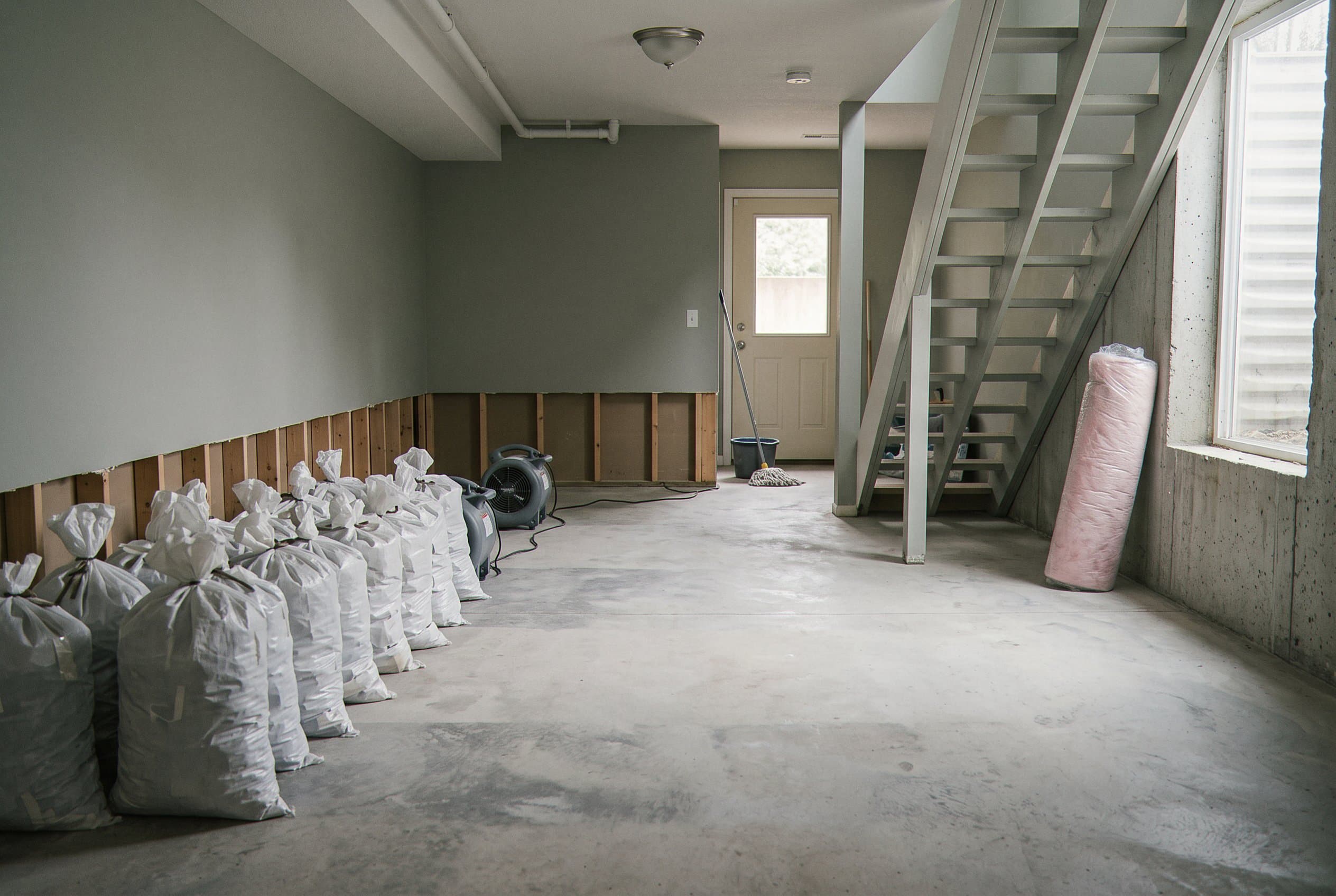
Floodwater soaks materials at different speeds, and that decides what stays and what goes. Speed matters here. Carpet pad acts like a sponge and almost never dries clean, so we pull it without a second thought. Wet carpet may be saved if the water was clean and we reach it within a day, but once mud or sewage touches it, it leaves. Drywall wicks water upward, so we cut it a foot or two above the high mark and dry the open wall cavity behind it. Solid wood and concrete usually dry in place once we pull the wet finishes off them.

We make these calls in front of you, not behind a closed door. Nothing leaves in secret. Before we haul a single piece off, we show you why it is staying or going, and we photograph the damage for your records so the claim is easy to back up later. Our goal is to save what we safely can and remove only what holds water or risk. That keeps the drying honest and the rebuild smaller.

  • Carpet pad almost always comes out after a flood
  • Drywall gets cut above the water line, then dried
  • Solid wood and concrete usually dry in place
  • Every removal gets photographed for your records
Thermal camera detecting hidden moisture in walls
Dried basement ready for reconstruction beginning
What about the alternatives?

Your Options After the Water Comes In

When a flood hits, people weigh a few ways to deal with it. Here is how the common ones stack up.

Call our St. Louis flood crew right away

We pump, dry, and document the whole job from the first hour, so trapped water never gets the time it needs to spread into walls, framing, and the rooms next door.

Recommended

Shop wet vac and box fans

Fine for a small clean spill. It cannot dry framing or a soaked subfloor.

Acceptable

Wait for your adjuster before any work

Photos matter, yet water keeps wicking while you wait, so start drying and document as you go.

Acceptable

Hire a general handyman

Some can muck out water. Few carry meters or dry to a measured target.

Acceptable

Let it dry on its own

Trapped water feeds mold within a day or two and quietly rots the framing from the inside out.

Skip

Paint or seal over wet walls

It hides the stain for a week. Then the smell and the mold push right back through.

Skip
How it goes

From quote to walk-on, fast.

01

Your inquiry

Call or send the short form with what is going on at your place. A sentence or two is plenty for the first step.

02

We talk it through

We go over the situation on the phone, ask the questions that matter, and tell you what we would do next.

03

A clear plan

You get a plain-language rundown of the work, the order it happens in, and what to expect on the day.

04

The work gets done

Our crew shows up when we said, does the job, and walks you through the result before leaving.

Before you book

Worried About the Cleanup? Read This

Most people have the same few worries when their home floods. Here are straight answers to the ones we hear most across St. Louis.

Is floodwater dangerous to handle myself?
It can be. River and storm water often carries sewage, fuel, and bacteria, so it counts as dirty water under IICRC rules. We show up in proper gear, clean it safely, and treat the area so your family is not breathing or touching what came in.
How fast do you need to start?
The same day if we can. Mold can begin within a day or two of a flood, and soaked framing weakens the longer it stays wet. Calling early keeps the damage and the cleanup smaller.
Will my floors and walls have to be torn out?
Only what truly has to go. We save solid wood, concrete, and clean wet carpet when we can, and we cut drywall just above the water line instead of stripping whole rooms. The goal is a smaller rebuild, not a bigger one.
Do you work with my insurance?
We document everything with photos, moisture readings, and a clear scope, which is exactly what an adjuster wants to see. You stay in control of the claim, and our records make it easier to file.
What if the flooding reaches my furnace or water heater?
We flag wet mechanical equipment and electrical so you do not turn on something unsafe. We dry around it and tell you plainly what needs a qualified trade to check before it runs again.
How long does drying take?
Most homes dry in three to five days, though a deep flood can run longer. We do not guess. We check moisture daily and keep the equipment running until the readings hit a safe level.
Aftercare

After We Leave: Keeping the Space Dry

Once your home is dry and clean, a few simple habits keep the next storm from doing the same damage all over again. St. Louis sees heavy spring rain and fast summer storms. A little prep goes a long way, and most of it costs very little.

  • Keep a working sump pump and test it before storm season
  • Add a battery backup so the pump runs when the power drops
  • Clear gutters and downspouts so water lands away from the house
  • Move boxes and valuables off the basement floor onto shelves
  • Grade soil so it slopes away from your foundation walls
  • Seal foundation cracks before the next heavy rain finds them
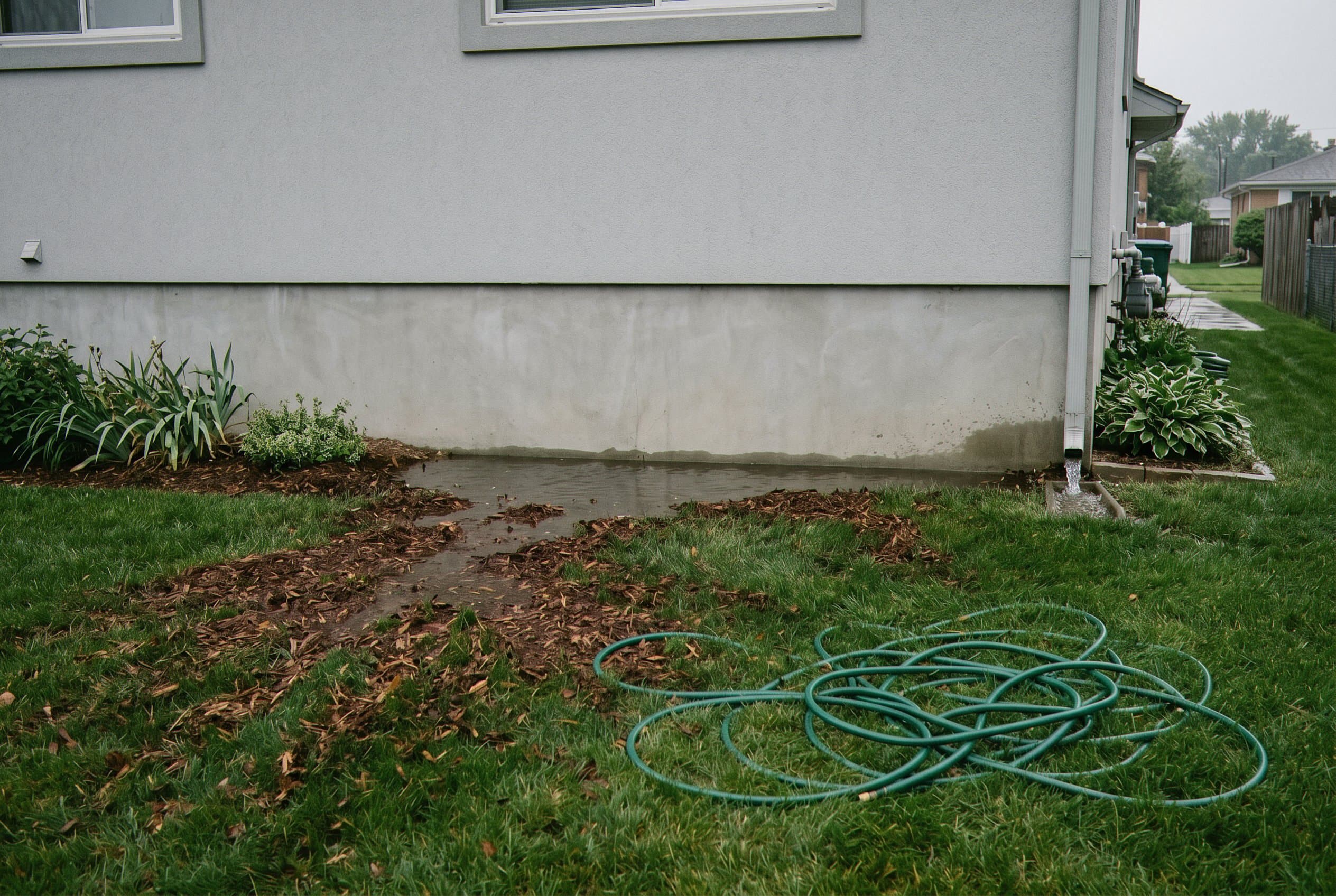
Foundation grading allowing water toward home
FAQ

Flood Cleanup Questions St. Louis Owners Ask

Ready when you are

Let's make your next steps easier

Tell us what is going on at your St. Louis home and we will walk you through the options. One call or one short form is all it takes.

Call (314) 597-7468Make your inquiry
CallContact us