Water Extraction · St. Louis

Water Extraction in St. Louis, MO

When water pools across your floors, our crew pulls it out fast and gets your St. Louis home dry.

Free Quote

Free Water Extraction quote.

We reply within 1 business hour. No spam, ever.

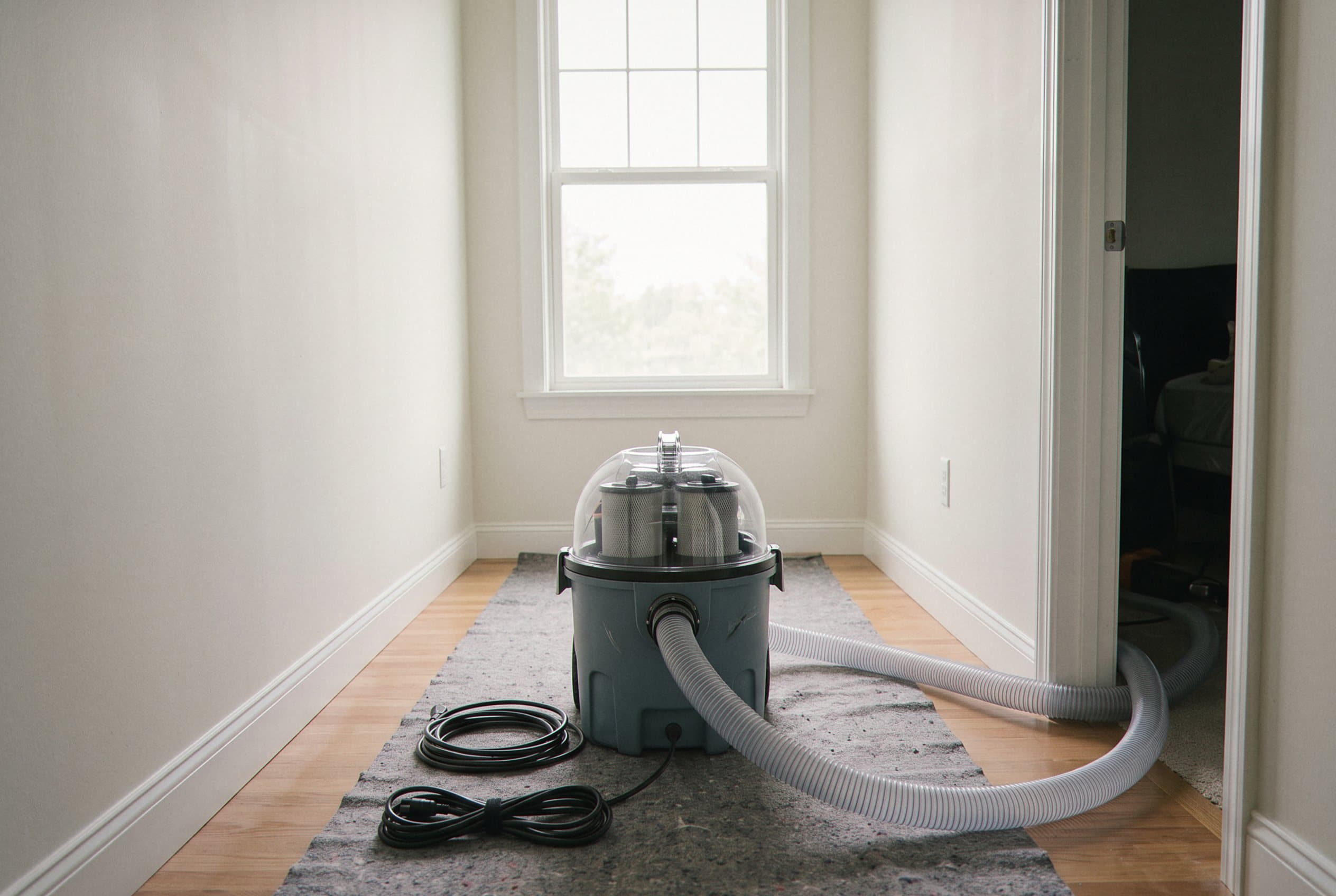
Truck-mounted extractor units ready for deployment
Industrial moisture meter reading wet subflooring
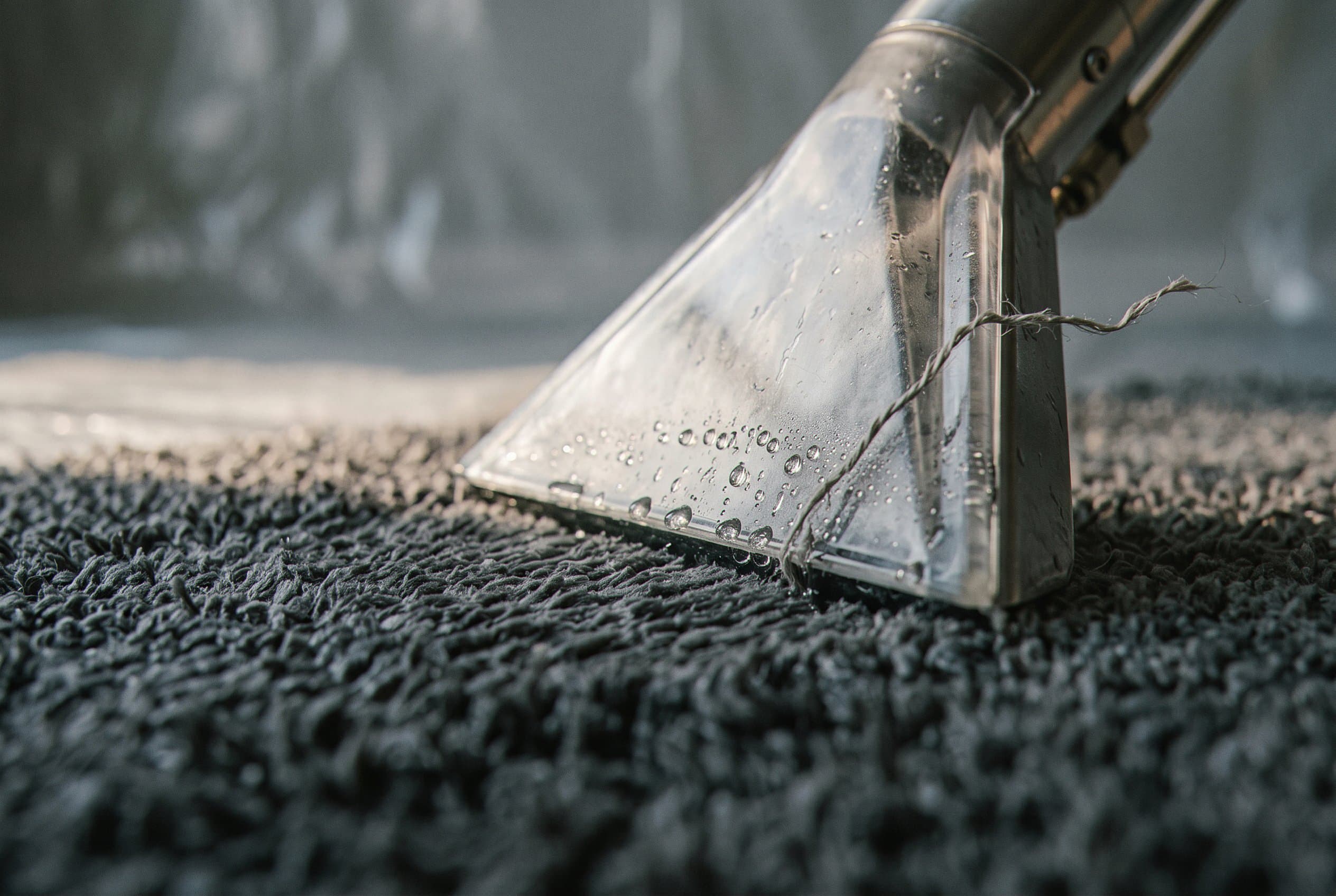
Technician operating extraction equipment on wet carpet
What we install

How we handle water extraction

Standing water does not wait. The longer it sits on your floor, the deeper it sinks into the pad, the subfloor, and the framing below. We answer the phone, head your way, and start pulling water out the moment we arrive. Our crew works across St. Louis and the nearby suburbs, from Kirkwood and Webster Groves to Florissant and St. Charles. We bring truck mounted units and portable extractors so we can reach water in a flooded basement or a soaked upstairs hallway.

Every job starts with a quick read of the water. We check where it came from, how far it spread, and what it touched. Clean supply water gets handled one way. Water that ran through a drain or backed up from a sewer line gets handled with more care and the right gear. Once we know the spread, we map the wettest spots with meters and move our extraction units to the worst areas first. You see the standing water drop within the first hour.

  • We answer day or night and roll out across the St. Louis metro fast.
  • Truck mounted and portable extractors pull water from any floor in the home.
  • Moisture meters show us where water hides under tile, carpet, and subfloor.
  • We document the loss with photos and readings for your insurance file.
  • We move straight from extraction into drying so mold never gets a head start.
Water trapped in the pad and subfloor is what rots a floor. Pulling the surface puddle is only half the job, so we chase the hidden water too.

St. Louis weather drives a lot of the calls we get. Heavy spring storms push water through window wells and basement walls. Summer thunderstorms overload storm drains and back water up through floor drains. In winter a pipe can freeze and split, then dump gallons across a finished basement once it thaws. Whatever sent the water in, the fix is the same at the start. Get it out, and get it out fast. We carry pumps for deep water and extraction wands for the water soaked into carpet and pad.

If water is sitting in your home right now, call us. We will tell you what we see, walk you through the next steps, and get a crew moving toward your St. Louis address. The sooner we pull the water, the more of your floor and walls we save.
Materials

The gear we bring to a water extraction job

Water extraction is about matching the tool to the water. A few inches across a kitchen floor needs a different setup than two feet in a basement. We load our trucks so we are ready for both. Truck mounted extraction units give us strong suction for large losses and long runs of hose, which matters in the deep lots and walkout basements common around St. Louis County. Portable extractors let us carry power up the stairs to a second floor bedroom or into a tight bathroom where the truck cannot reach.

We pair extraction with the right meters so nothing gets missed. Pin meters and pinless meters read moisture in drywall, wood, and concrete. A thermal camera helps us spot cool wet patches behind a baseboard before they turn into a problem. We do not guess where the water went. We measure it, mark it, and pull from the spots that read the wettest first.

  • Truck mounted units for deep water and long hose runs
  • Portable wands for upper floors and tight rooms
  • Submersible pumps for water over a couple of inches deep
  • Moisture meters and a thermal camera to find hidden water
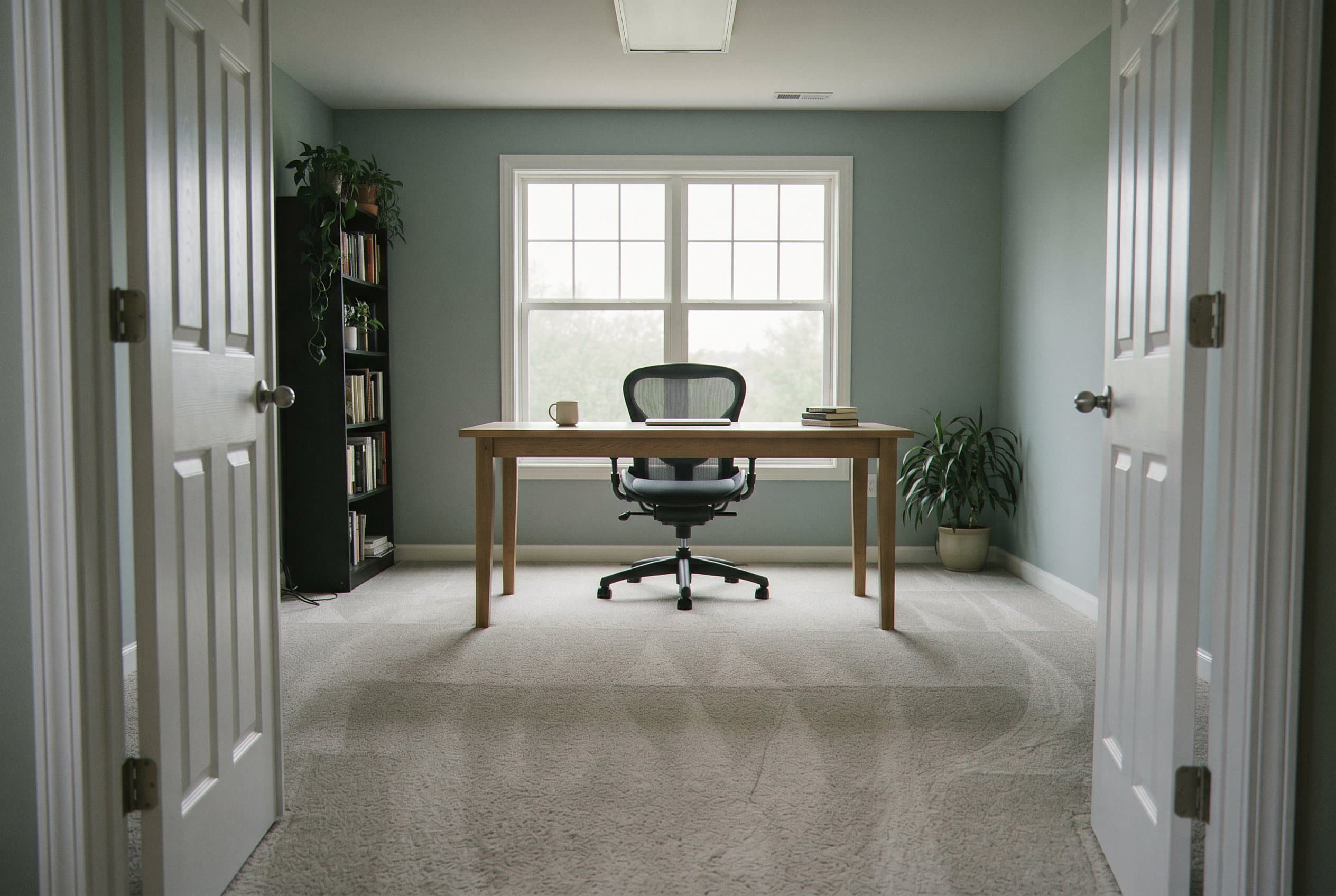
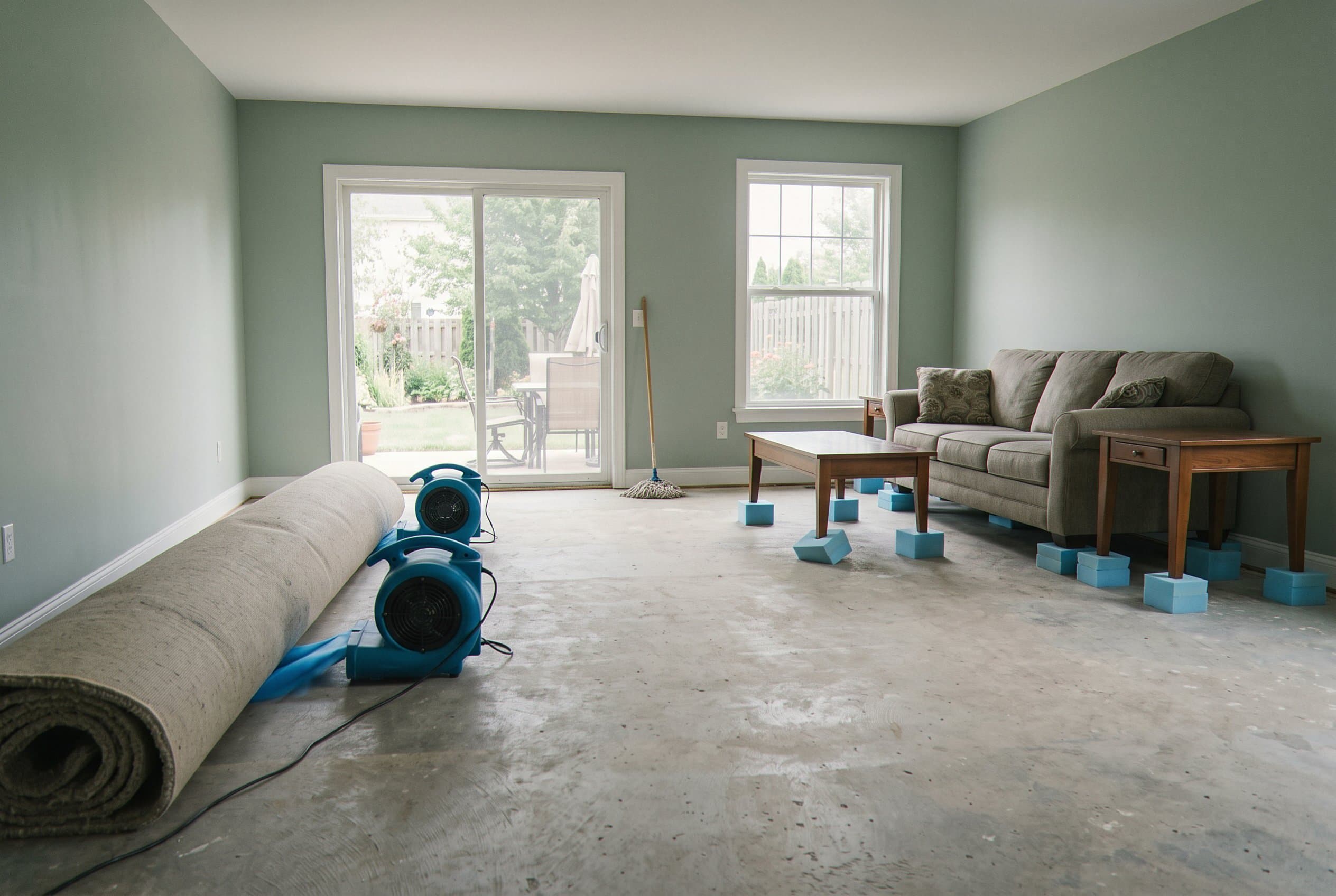
Clear flooring after water extraction completed
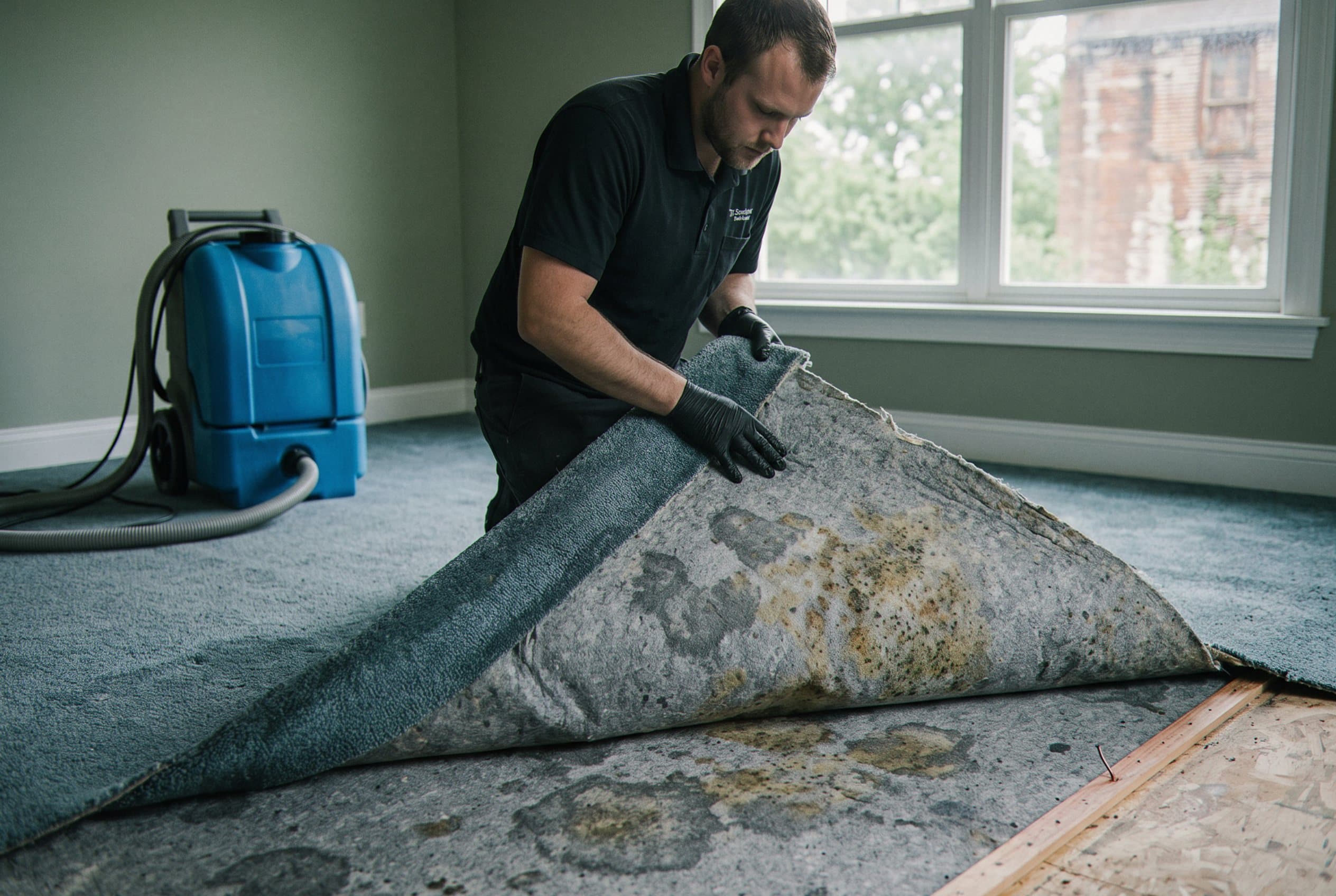
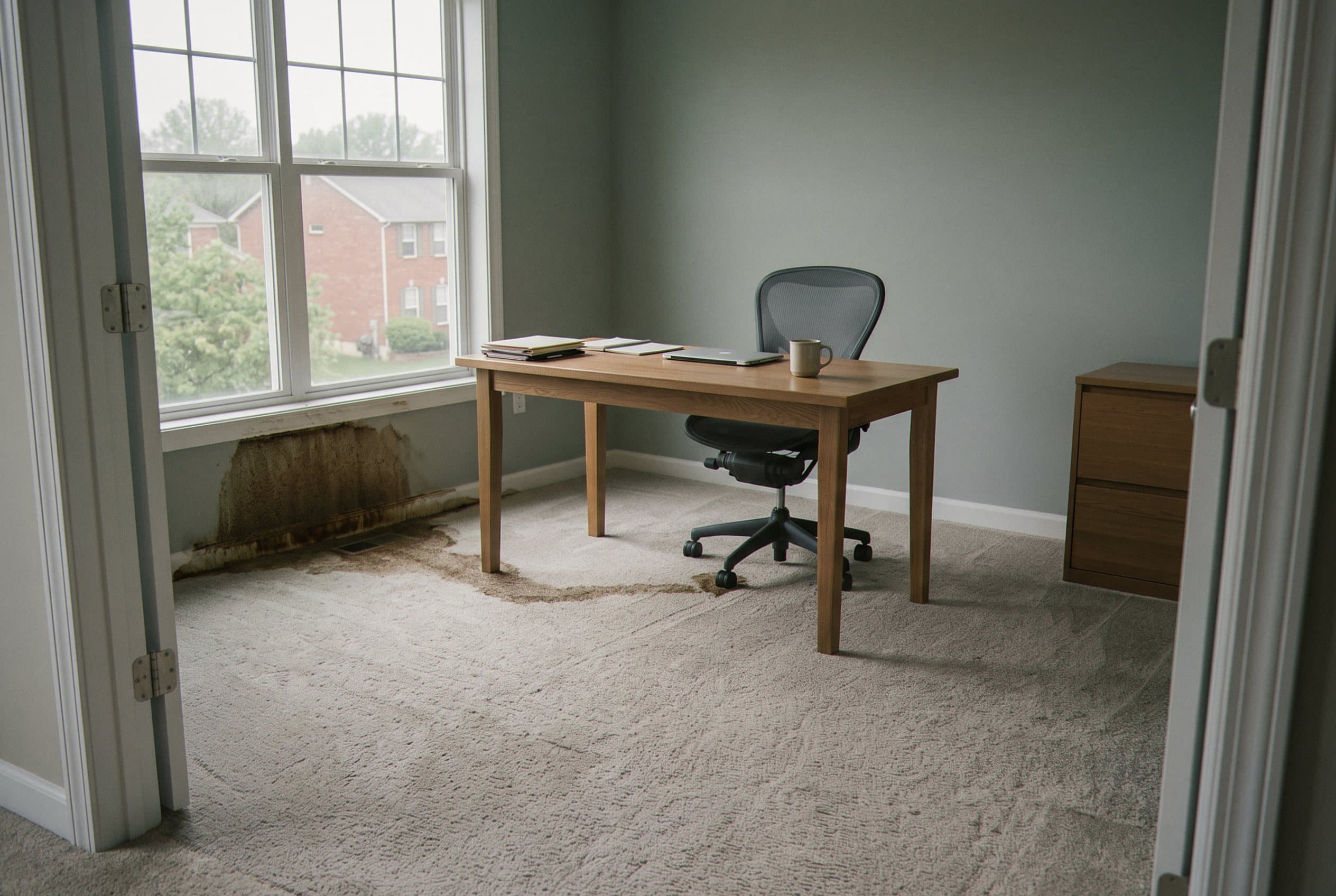
Saturated carpet and padding after water damage
What about the alternatives?

Ways people deal with standing water

When water shows up, you have a few options. Here is an honest read on what each one does and where it falls short for a real St. Louis water loss.

Call our extraction crew

We arrive with pumps and extractors, pull the water, and start drying the same visit.

Recommended

Shop vacuum on your own

Fine for a small spill on tile. The tank fills fast and it cannot reach water in the pad.

Acceptable

Mop and towels

Works for a cup of water near a sink. Useless once water spreads across a room or soaks carpet.

Acceptable

Rent a carpet cleaner

Pulls some surface water from carpet but leaves the pad and subfloor wet underneath.

Acceptable

Wait for it to dry on its own

Trapped water feeds mold and warps wood within a day or two. The damage grows while you wait.

Skip

Push water toward a floor drain

Moves the puddle but ignores everything soaked into the floor and walls around it.

Skip
How it goes

From quote to walk-on, fast.

01

Your inquiry

Call or send the short form with what is going on at your place. A sentence or two is plenty for the first step.

02

We talk it through

We go over the situation on the phone, ask the questions that matter, and tell you what we would do next.

03

A clear plan

You get a plain-language rundown of the work, the order it happens in, and what to expect on the day.

04

The work gets done

Our crew shows up when we said, does the job, and walks you through the result before leaving.

Before you book

What St. Louis homeowners ask before we start

Most folks have the same handful of worries when they call about standing water. Here are straight answers.

How fast can you get to my home?
We move quickly. Once you call, we get a crew headed toward your St. Louis address and give you a real window, not a vague maybe. Water spreads by the minute, so we treat extraction as the rush job it is.
Can you pull water out of carpet without tearing it up?
Often, yes. Our extraction wands pull water through the carpet and pad in place. If the pad is too far gone we will tell you, but our goal is to save what we can and keep your floor intact.
Do I need to move out while you work?
Usually not for the extraction itself. You can stay in the dry parts of the home while we work the wet area. We will be clear if a sewer backup or deep water makes that unsafe.
How fast can water extraction start in St. Louis?
Often the same day you call, and many times within a couple of hours. We keep trucks stocked and ready so a flooded basement in Florissant or a leak in Clayton gets a fast response.
Will you work with my insurance?
Yes. We document the loss with photos and moisture readings as we go, then hand you a clear record for your claim. We speak plainly with adjusters so the file matches what we actually did.
What happens after the water is gone?
Extraction is step one. Once the standing water is out, we set drying gear and check moisture over the next few days until the framing and subfloor read dry. Then you know the job is truly done.
Aftercare

Keep water from pooling again

Once we pull the water and dry your home, a few habits keep the next storm from doing the same damage. St. Louis sees hard rain and cold winters, so the goal is to keep water moving away from the house and to catch a leak early.

  • Test your sump pump before every spring storm season and keep a backup ready.
  • Clear gutters and aim downspouts well away from the foundation.
  • Check the washer hoses, water heater, and supply lines for drips a few times a year.
  • Seal cracks in basement walls and around window wells where water sneaks in.
  • Let a faucet drip on the coldest winter nights so a pipe is less likely to freeze and split.
  • Find your home's main water shutoff valve now so a sudden leak takes only seconds to stop.
Extracted carpet installed dry and clean
FAQ

Water extraction questions from St. Louis homeowners

Ready when you are

Let's make your next steps easier

Tell us what is going on at your St. Louis home and we will walk you through the options. One call or one short form is all it takes.

Call (314) 597-7468Make your inquiry
CallContact us