What we do when a pipe bursts in your St. Louis home
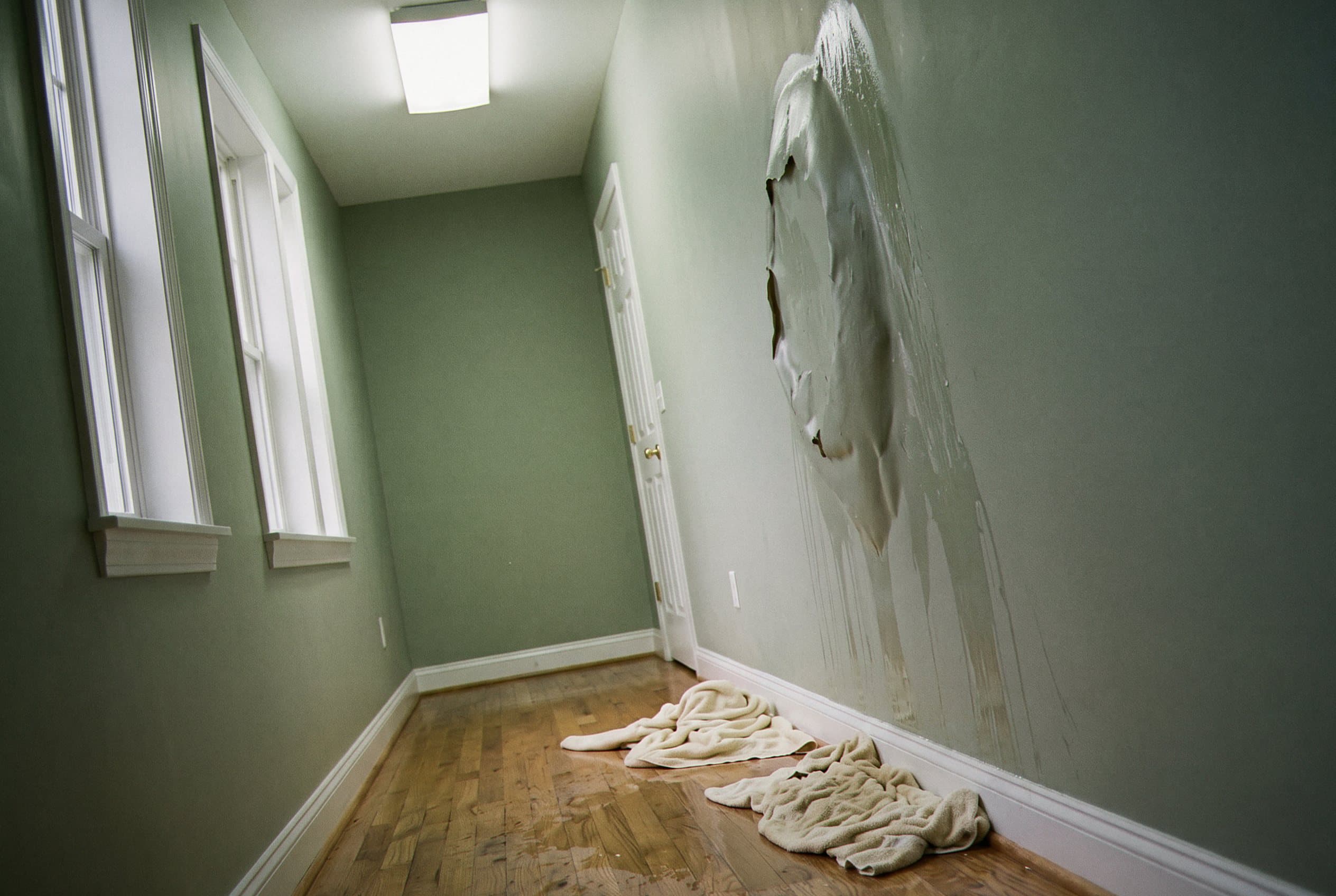
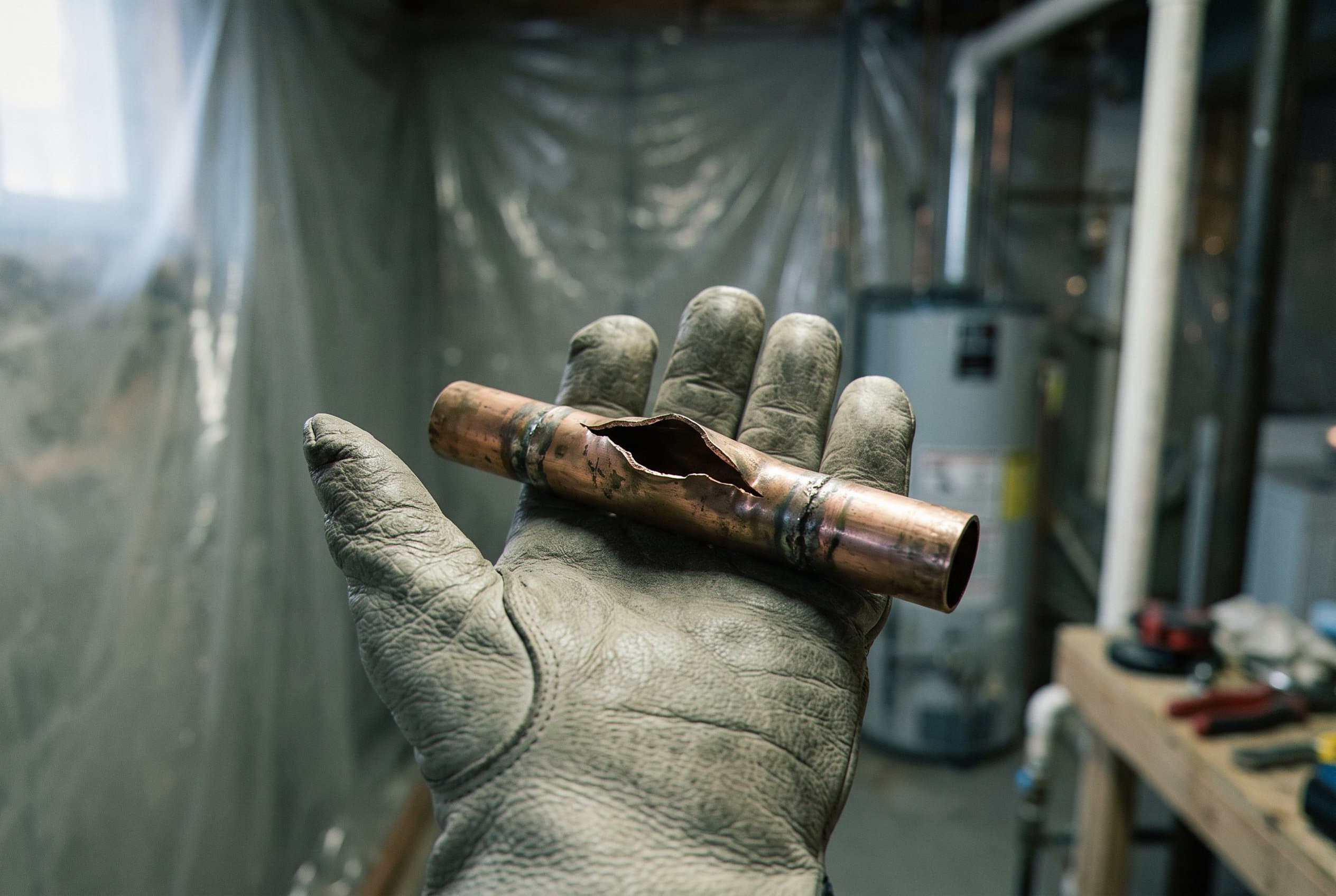
A hard freeze in St. Louis can split a pipe in seconds. Water sits in a line that runs through an outside wall, a crawl space, or a cold basement. It freezes, it swells, and the metal or plastic gives way. When the ice thaws, water runs out fast, often while you are asleep or away at work. Many older brick homes across South City and Dogtown have supply lines tucked into uninsulated walls, and those are the ones that fail first when the temperature drops below freezing for days at a stretch. An unheated garage line or a hose bib left connected over winter can do the same. By the time you notice the ceiling stain or the wet floor, gallons have already soaked the drywall, the subfloor, and whatever you keep stored in the basement. We answer the phone when you call, day or night, and head your way to shut the problem down.
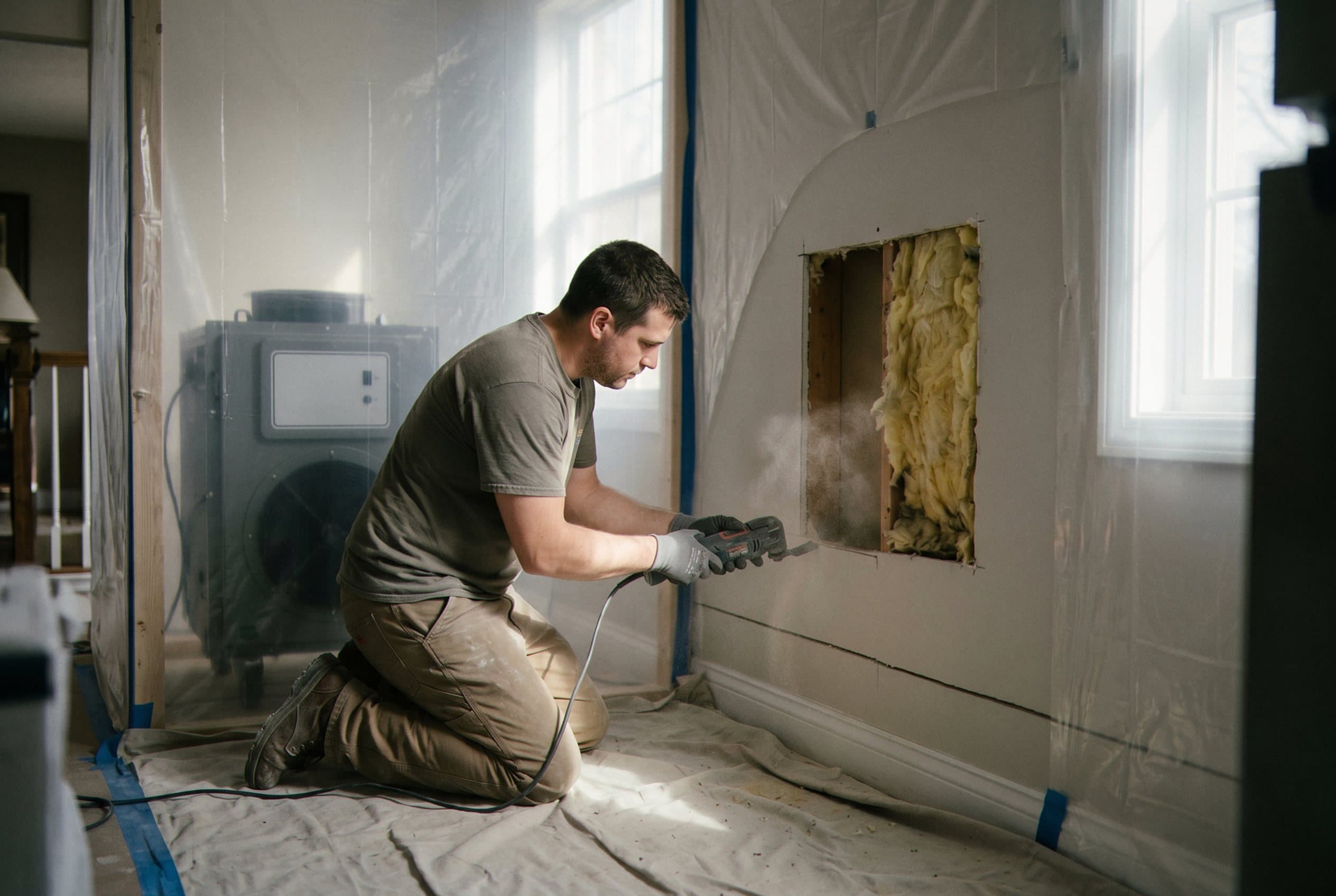
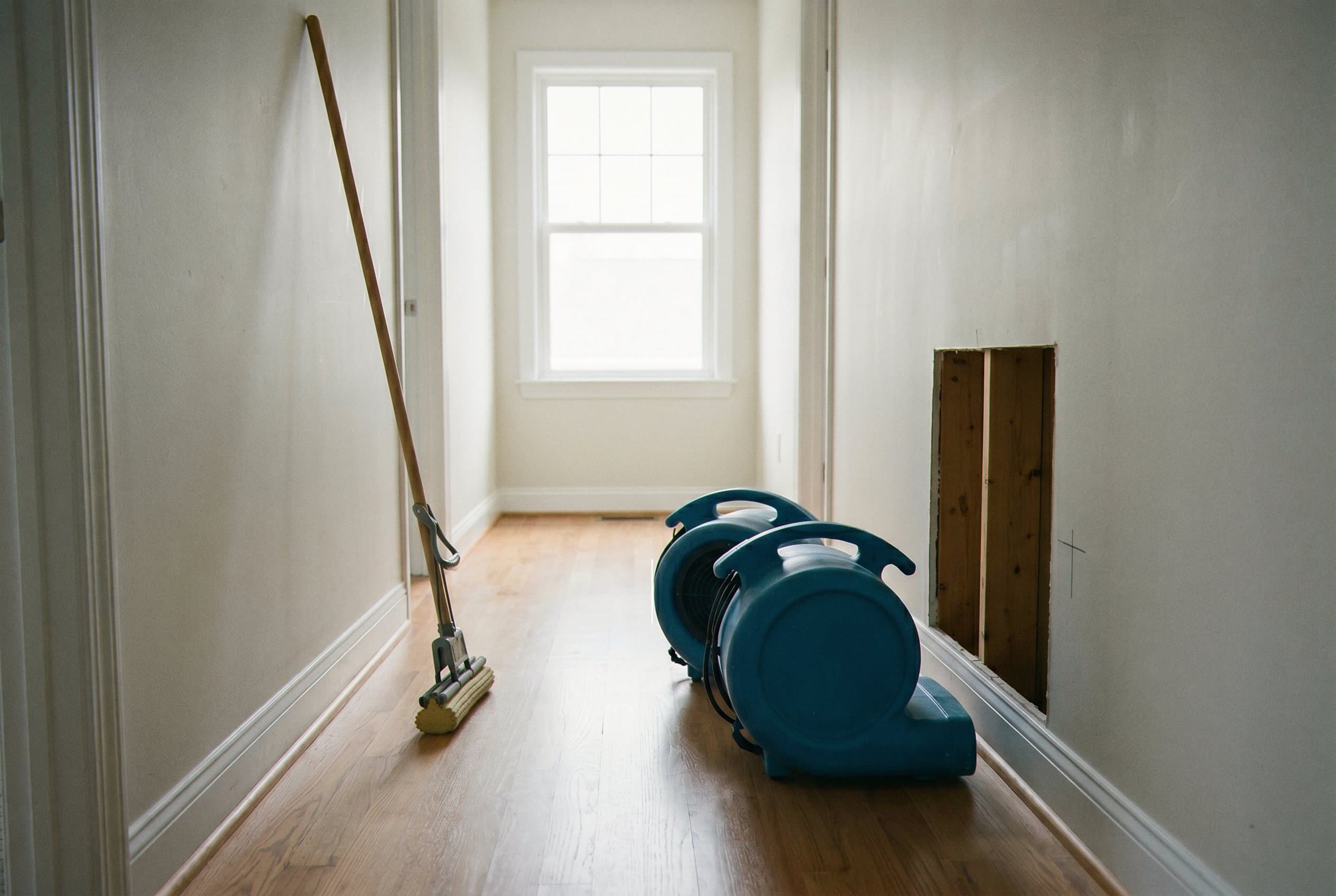
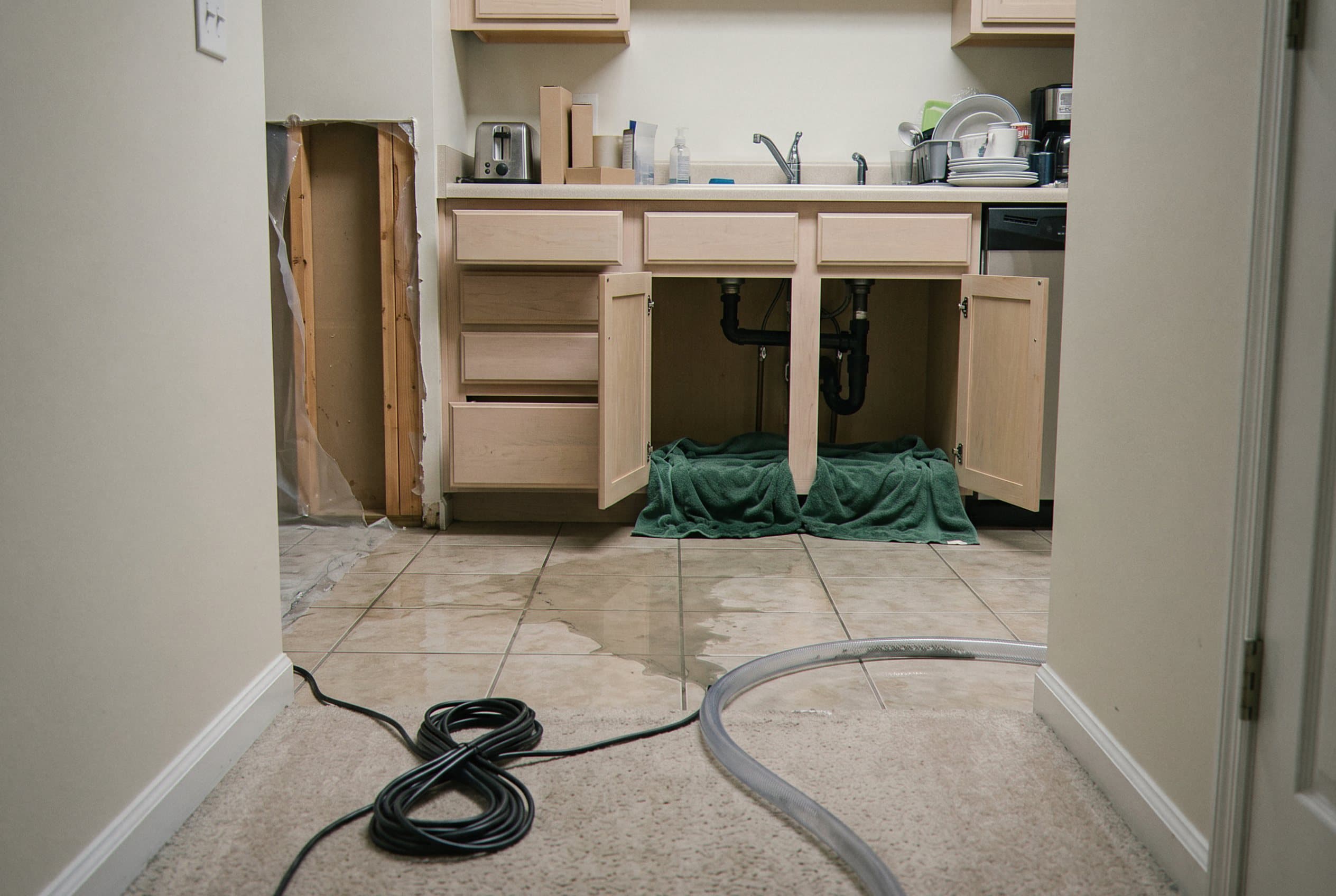
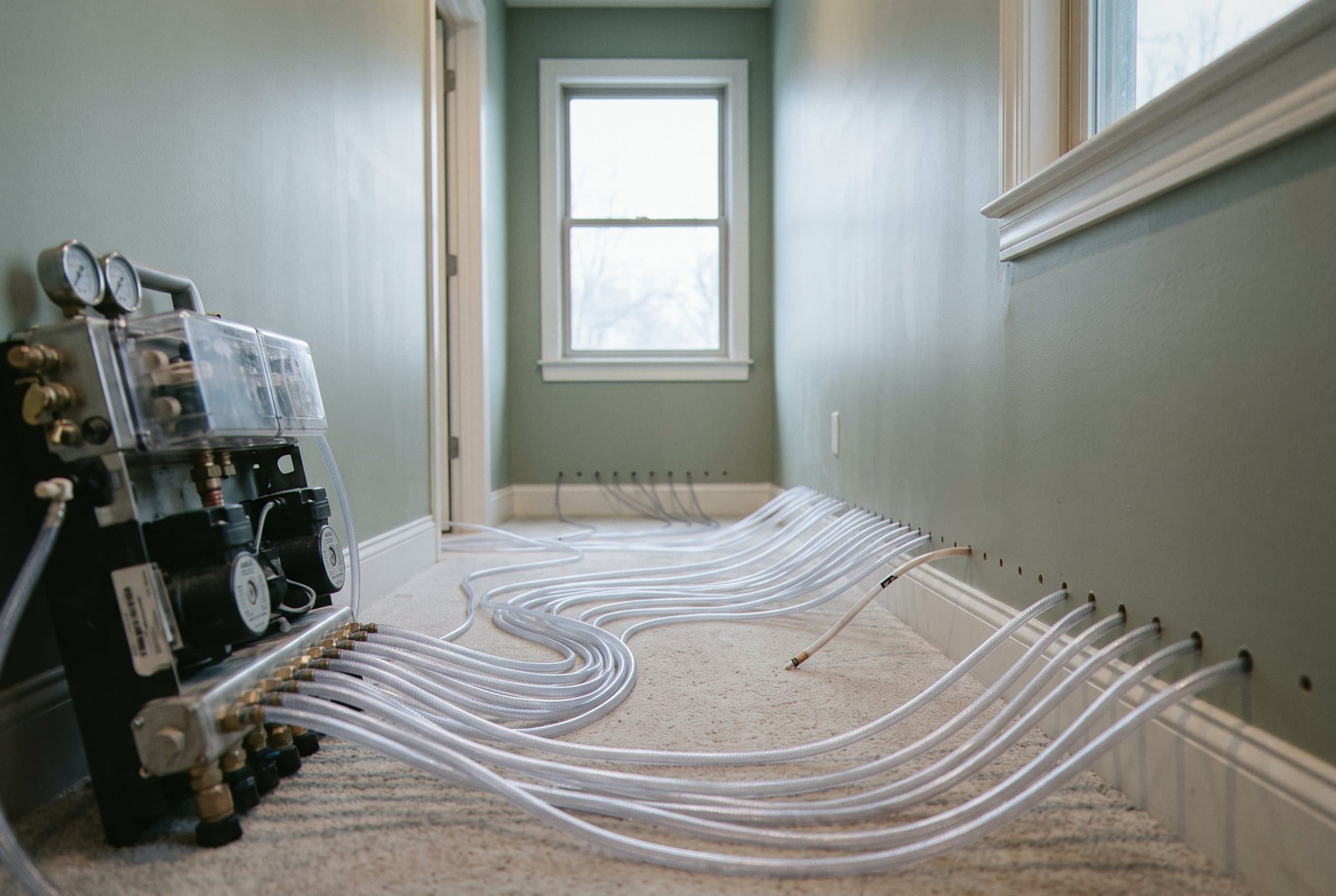
The first thing our crew does is find where the water comes from and stop it. We trace the line, check the meter, and close the valve so no more water enters the room. Then we pull standing water with truck mounted extractors and start removing the wet material that cannot dry in place. Soaked carpet pad, swollen baseboard, and ruined drywall come out so the framing behind them can breathe. We move and protect your furniture, boxes, and stored items where we can, and we flag what the water has already ruined. We set air movers and dehumidifiers, and we read moisture levels each day until the wood and the walls test dry. We also take photos of the damage as we go, so you have a clear record for your own insurance claim. We work this way in homes across Kirkwood, Florissant, Webster Groves, and the rest of the St. Louis area.
- Live answer when you call, with a crew sent the same day across St. Louis and the surrounding county.
- We trace and stop the broken line first, so the room is not still filling while we work.
- Truck mounted extraction pulls standing water out of basements and lower floors quickly, even in a finished space.
- Wet drywall, carpet pad, and baseboard come out so the hidden framing can dry instead of rot behind the wall.
- Daily moisture readings tell us when the structure is truly dry, not just dry enough to fool the touch of a hand.
Frozen pipe damage rarely stays where you first see it. Water follows gravity and wicks sideways into wall cavities, under cabinets, and along floor joists, so a small ceiling spot can mean a soaked wall one floor below. We use moisture meters to map how far the water traveled, then we dry every spot it reached. A finished basement hides the worst of it, because water pools behind paneling and under flooring where you cannot see it from the room. Catching that hidden water now keeps mold from taking hold and saves you from tearing the same room apart again a month later. When the drying is done, we walk you through what we found and what we dried, so nothing is left to guess about.
If a pipe has burst in your St. Louis home, every hour counts. Call us now and our crew will stop the water, pull out what is soaked, and dry your home back to where it should be. The sooner we start, the more of your floor, walls, and belongings we can save.