
Sewage Cleanup · St. Louis

Sewage Cleanup in St. Louis

A sewage backup in your home is a health hazard, and it is not a mess you should ever try to mop up on your own. We remove the waste, clean every surface the water touched, and dry the structure until it is safe to use again. Call us now. Our crew is on the way.

Free Quote

Free Sewage Cleanup quote.

We reply within 1 business hour. No spam, ever.

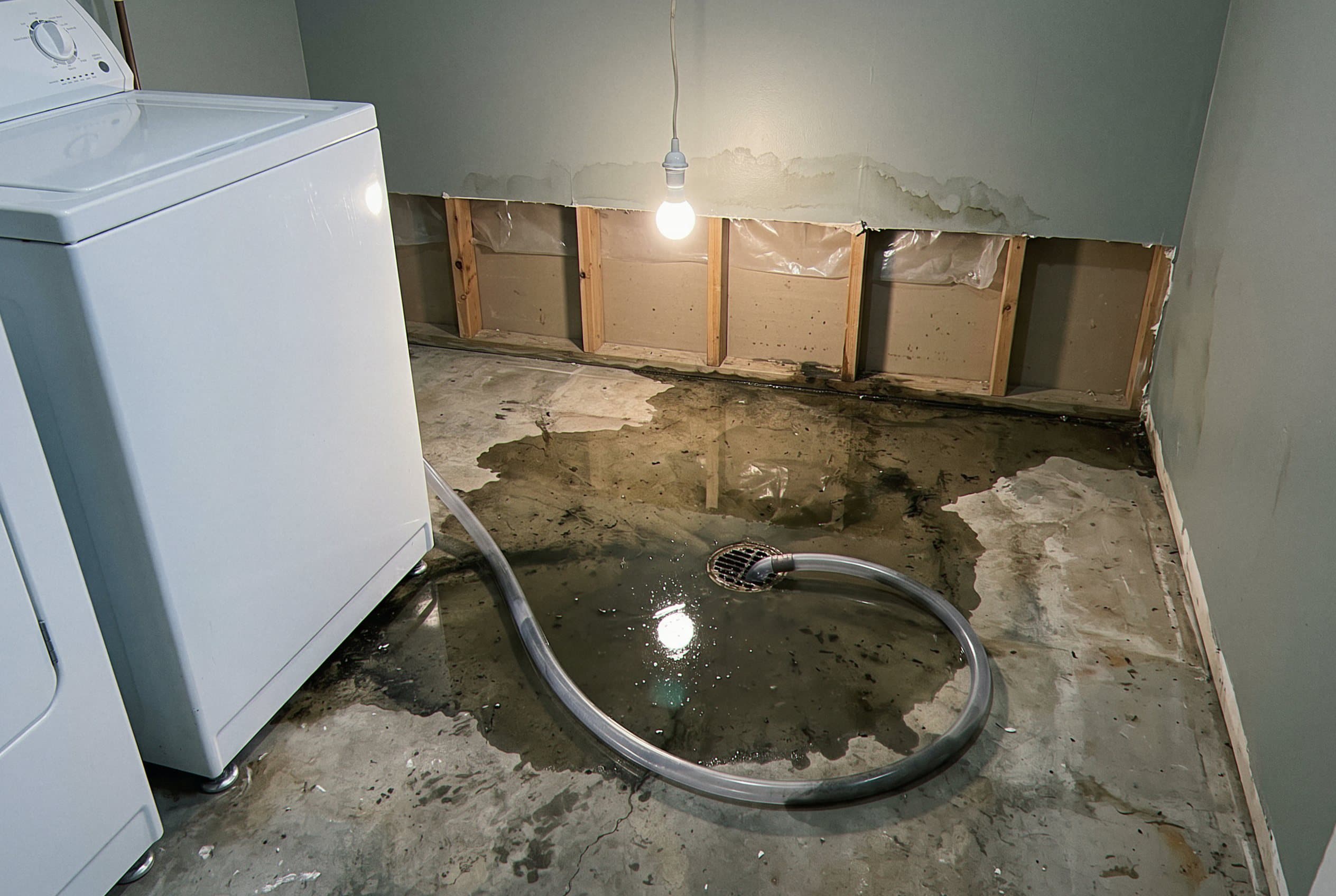
Sewage backup contaminating basement floor
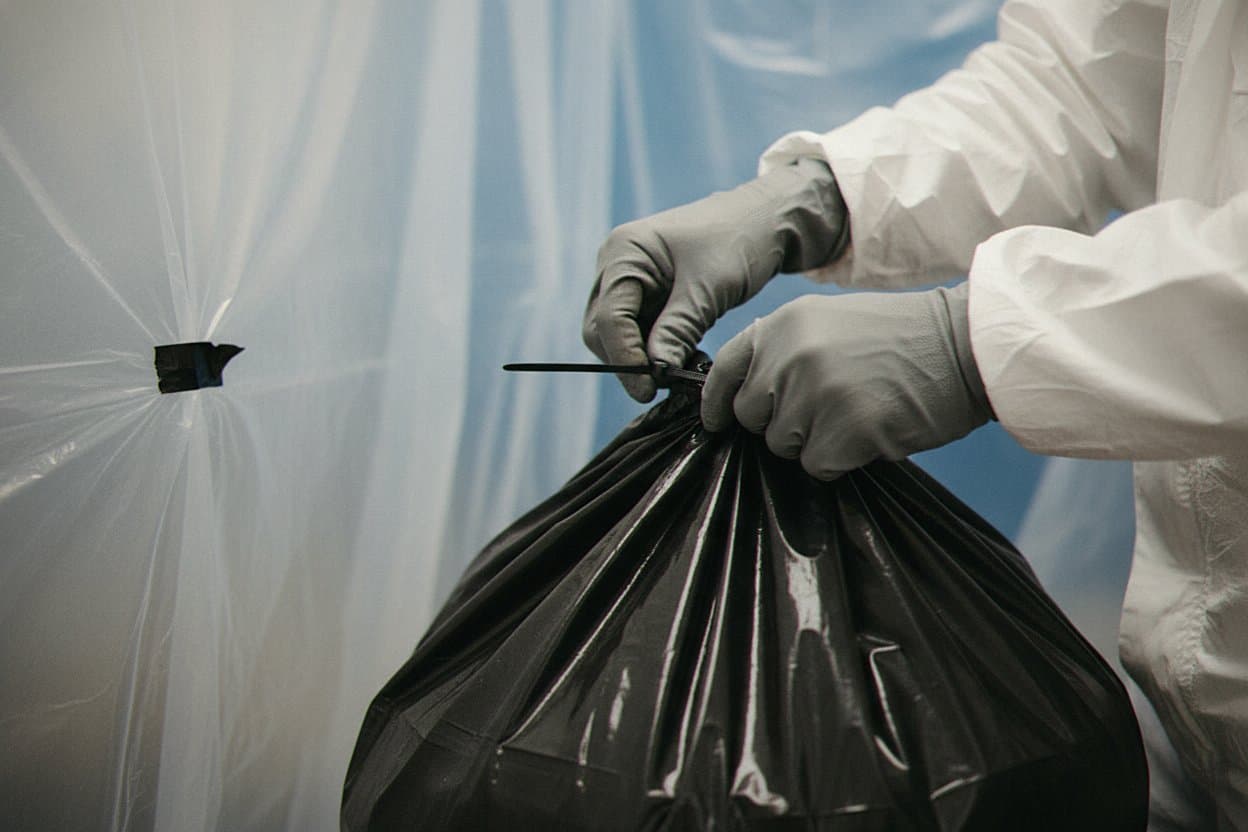
Antimicrobial treatment on contaminated flooring
What we do

What our sewage cleanup covers

Sewage backups hit local homes hard, and they almost never come at a good hour. A basement floor drain overflows. A toilet pushes dark water out across the tile. Now you are standing next to raw waste that holds germs you cannot see. We treat every one of these calls as the health risk it truly is. Our crew shows up in full gear, tracks down the source of the backup, and shuts off the flow before any cleaning starts. Heavy spring storms swamp the older sewer lines under this city. Plenty of older blocks here still run on one shared pipe, so storm runoff and household waste travel together, and a hard rain fills that pipe faster than it can drain. One backup can soak drywall, framing, flooring, and every box stored on a basement slab. The longer it sits, the deeper it goes. Speed matters from the first call.

Once the source is under control, we pump out the standing sewage. Then we haul away anything too soaked to save. Carpet, padding, wet cardboard, and soft goods that touched waste cannot be washed back to a safe state. We log each piece and take it out. Next we clean every surface the water reached, and we follow the rules the IICRC sets for dirty water. Walls, floors, and framing get a treatment that kills what is living on them. We set commercial air movers and drying units in place, then track moisture until the whole space is dry. The goal is simple. You should walk into that room again without a thought about what soaked into the floor.

  • Fast response across the metro and nearby towns like Kirkwood, Florissant, and Chesterfield. Our own crew rolls out, day or night, when you need help most.
  • Full biohazard handling. We follow IICRC category three water rules and use EPA registered cleaners that kill germs, rather than masking the smell for a few days.
  • Source first. We dig into why the backup happened, whether it traces to a blocked lateral, a failed backwater valve, or a sewer main pushed well past its limit.
  • A complete cleanout of every dirty item. You get clear photos and written notes on all of it, so you have a record for any claim you decide to file.
  • Real drying with commercial air movers and drying units. Daily moisture readings mean the hidden water behind walls and under floors never turns into mold.
A sewage backup is a health risk first and a cleaning job second. We handle both, and we handle them in that exact order.

Insurance can make a sewage loss even harder than it already is. That is one part we take off your plate. We record the damage with photos and moisture readings. We write the full scope of work in plain words. Then we talk straight with your adjuster so nothing gets missed. Many policies here treat a sewer backup as coverage you have to add on your own, so we help you read what yours really says before the work starts. You will always know what we are doing and why.

Do not wait on a sewage backup. Every single hour it sits, the mess creeps further into your floors and walls, and the cost of putting things right climbs right along with it. Call our St. Louis crew now and we will get your home clean, dry, and safe to live in again.

Materials

What We Use, and What Has to Go

Sewage is what the IICRC calls category three water. That one rating shapes every choice our crew makes. We work in suits, gloves, boots, and masks, and we seal the room in plastic sheeting so nothing tracks into the clean part of your house. The waste comes out with trash pumps and extractors built to move solids, not the small wet vac you would grab for a spilled glass of water. After that, every hard surface gets scrubbed with EPA registered cleaners rated for what lives in raw waste. Slabs, joists, and block walls get a real wash. Air scrubbers run the whole time on HEPA filters, and they pull loose grit and odor out of the air while the drying gear works.

Not everything in that room can be saved. We will always tell you straight which is which. Soft items pull waste deep into their fibers, so carpet, pad, particle board, soaked cardboard, mattresses, and stuffed furniture come out and go to the dumpster. Drywall gets cut well above the line the water reached, because the paper backing wicks moisture and germs upward long after the flow stops. Hard stuff is a different story. Sealed concrete, tile, metal, glass, and solid framing can be cleaned, treated, and dried back to a safe state, so we work to keep all of it right where it sits. Whatever we do haul out is photographed and written down before it leaves your property.

  • Full gear and a sealed off work area before any cleaning starts
  • Pumps and extractors built to move solids, not just clean water
  • EPA registered cleaners on every surface the waste touched
  • HEPA air scrubbers running start to finish, so the grit and the odor leave with us
What about the alternatives?

Ways People Handle a Sewage Backup

A backup sends most people hunting for the fastest fix they can find. Here is how the usual choices really stack up.

Call our crew the same hour it happens

We seal the room, pump the waste, clean every surface it touched, and dry the framing while the mess is still sitting in one space instead of three, which keeps your rebuild small and your family well away from what came up the drain.

Recommended

Get a plumber out to clear the line first

Smart while the line is blocked, though the cleaning and the drying are both still ahead of you.

Acceptable

Report the backup to your sewer district

Worth doing when a public main is the cause, because that record can matter to your claim later on. It will not clean your basement.

Acceptable

Wait on the adjuster before anything moves

Photos do matter. Waste keeps soaking in while the file sits, so it is better to start the cleanup and shoot each step as it happens.

Acceptable

Mop it up with a bucket and household bleach

Bleach on a wet floor mostly makes fumes. The germs stay down in the seams, and now you have handled raw waste with your own hands.

Skip

Run box fans and wait for the smell to fade

Fans blow dirty dust through the rest of the house. The odor drops for a week. Then it comes right back, and this time it brings mold with it.

Skip
How it goes

From quote to walk-on, fast.

01

Your inquiry

Call or send the short form with what is going on at your place. A sentence or two is plenty for the first step.

02

We talk it through

We go over the situation on the phone, ask the questions that matter, and tell you what we would do next.

03

A clear plan

You get a plain-language rundown of the work, the order it happens in, and what to expect on the day.

04

The work gets done

Our crew shows up when we said, does the job, and walks you through the result before leaving.

Before you book

Straight Answers Before You Call

People ask us the same handful of things once the water stops rising. Here are honest answers, with nothing dressed up.

Can I clean up a small sewage backup myself?
We would rather you did not. Raw waste carries bacteria and viruses that simply do not wash off a porous floor with a mop and a bucket. Even a small backup drives contamination into grout lines, floor seams, and the bottom edge of the drywall. Our crew has the gear and the containment to clean it without pushing it into the rest of your home.
How fast can you get to my house?
Our line is open at any hour, and we head your way as soon as we have an address. We work through the city and across St. Louis County every week, so a crew is rarely far from you. A sewage loss gets worse by the hour, which is why calling early keeps both the damage and the job smaller.
Why did my basement back up in the first place?
Around here it is usually one of three things. A blocked or broken lateral running out toward the street, a failed or missing backwater valve, or a hard rain that shoves more water into the sewer than the sewer was ever built to carry. Older parts of the city still send storm runoff and household waste down one shared pipe, and those lines fill in a hurry during a downpour.
Will my insurance pay for this?
That depends on your policy. Many homeowner policies treat a sewer backup as separate coverage you have to add on yourself, so it is worth reading your declarations page before work begins. We document the loss with photos, moisture readings, and a written scope, which is exactly what your adjuster is going to ask for.
Do I need to move out while you work?
Usually not. We seal off the affected area and run air scrubbers so the rest of the house stays comfortable to be in. If the backup reached a bedroom, a kitchen, or the only bathroom you have, we will tell you plainly that a night or two somewhere else is the better call.
What about the smell after you leave?
Odor lives in whatever is still contaminated or still wet, so the fix is removal and drying rather than a fragrance. Once the porous material is gone, the surfaces are treated, and the framing reads dry on a meter, the smell leaves with it. If any of it lingers, we come back and hunt down what we missed.
Aftercare

Keeping Sewage Out of Your Basement

Once the cleanup is done, the next job is making a repeat far less likely. Heavy spring rain and fast summer storms are normal here. The sewer lines under many older streets were sized for a much smaller city, and they show it every time the sky opens up. A few upgrades and a few habits take most of that risk off the table.

  • Put a backwater valve on your main line and have it checked each year
  • Never pour grease down a drain
  • Skip flushable wipes, because they do not break down and they snag on roots in the lateral
  • Have the lateral camera scoped if mature trees grow near it
  • Keep the floor drain clear
  • Store nothing straight on the slab, and watch for slow drains or a gurgling toilet, which is the first hint of a clog
Sewage backup contaminating basement floor
FAQ

Sewage cleanup questions from St. Louis homeowners

How fast can you get to my St. Louis home?
Our line is open at any hour, including the nights when a line of storms puts half the metro on the phone at once. We will not give you a minute count we cannot keep. We will tell you when a crew is leaving, and get your water shut off before we hang up.
What do I do before you get here?
Shut the main if you can reach it dry. Keep away from the panel, and from outlets under water. Photograph everything before it gets moved, and lift furniture off soaked carpet where you can.
Do you work with insurance?
We put together the file adjusters look for. Daily moisture logs, photographs by room, and a scope listing what came out and what stayed and got dried. We deal with the adjuster directly so you are not translating. Whether it is covered is your carrier's call, and not something we will pretend to know.
How long does drying take?
Typically three to five days. A lot of housing here is brick with plaster inside, and both hold water longer than modern drywall over wood framing, so those can add a day or two. We meter it daily against the IICRC dry standard and pull equipment on the readings.
Will mold show up later?
Roughly 24 to 48 hours of wet material is where that starts. Dry it inside that window and you generally never see it. That is why we would rather set equipment tonight than in the morning.
Ready when you are

Let's make your next steps easier

Tell us what is going on at your St. Louis home and we will walk you through the options. One call or one short form is all it takes.

Call (314) 597-7468Make your inquiry
CallContact us