Water Leak Detection · St. Louis

Water Leak Detection in St. Louis

A hidden leak can soak your floors and walls for weeks before you ever notice. We find the exact spot fast, then stop it.

Free Quote

Free Water Leak Detection quote.

We reply within 1 business hour. No spam, ever.

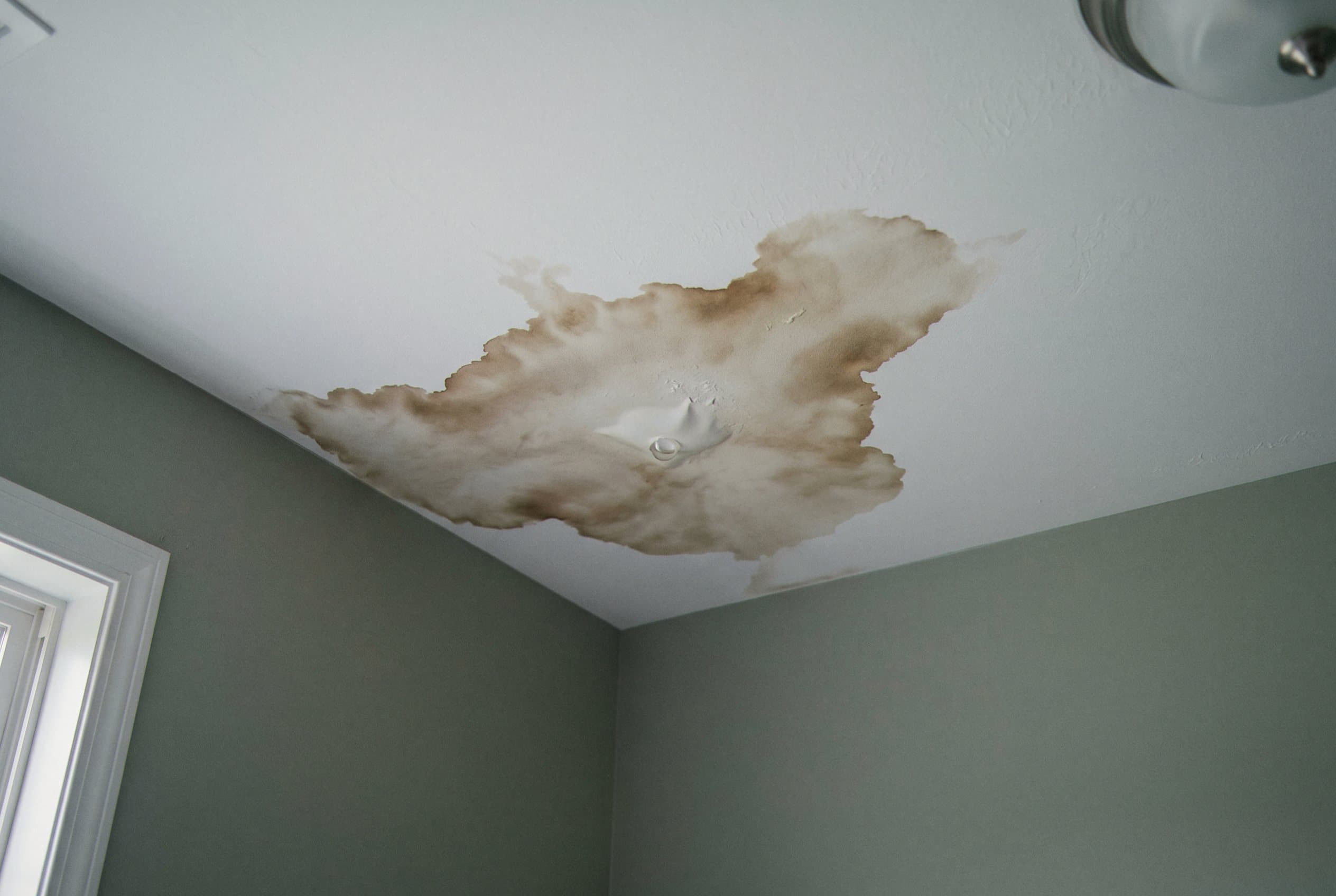
Hidden leak staining ceiling drywall slowly
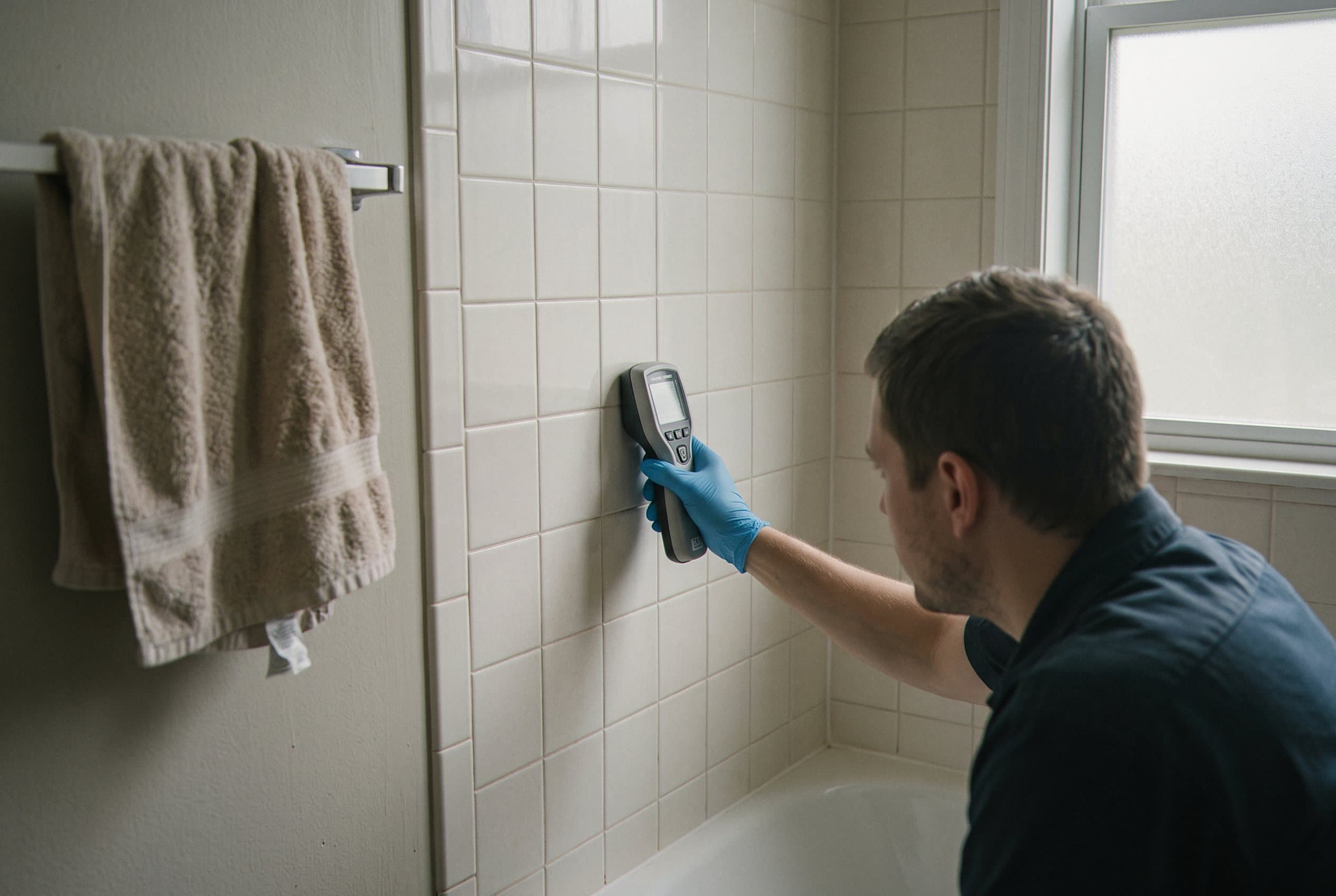
Moisture meter locating leak inside wall
Thermal imaging revealing cold water trail
What we do

How we find the hidden leak in your St. Louis home

A slow leak can run behind a wall for weeks before a stain shows up on your ceiling. By then the water has already crept under the floor or down into the basement, and your bill has crept up with it. We take these calls all over the St. Louis area, from the old brick homes in Soulard and Tower Grove to the newer builds out in Chesterfield and St. Charles County. Our crew starts where you first noticed trouble and works outward from there. We listen for the leak with acoustic gear. We scan the wall with a moisture meter, then run a thermal camera across the surface to read the cold trail that moving water always leaves behind. We check the places most people forget, like the line feeding the fridge and the valve under a toilet. None of it means tearing your home apart.

Most hidden leaks sit in one of three places. Supply lines that run inside a wall or under a slab. Drain lines tucked behind a tub or a shower pan. And the small fittings under a sink that drip for months on end. We trace the water back to the exact joint, so you are never left guessing and never paying to open a wall that was fine. When the source hides under tile or under a concrete floor, we mark the spot first and open only the small area we truly have to reach. In a finished basement, that care keeps the mess off your drywall and off your carpet. You end up with a clear answer instead of a wrecked bathroom.

  • Acoustic tools that pick up the faint sound of water moving inside a wall or under your floor slab.
  • Thermal imaging that maps the cold path of a leak across a ceiling, with no holes cut in your drywall.
  • Moisture meters that show how far the water spread, so we know the true reach before we open anything.
  • Slab leak tracing for homes on a poured foundation, common in the newer parts of St. Louis County.
  • A plain written report of what we found and where, plus photos you can hand to your insurer.
We trace the water to the exact pipe, then dry the area and repair it. One crew, from the first knock to the last.

Once we pin down the source, we do not pack up and leave you staring at a hole. We show you the spot, explain what is leaking and why it started, and lay out the repair in plain words. If water has soaked into the floor or the framing, our crew can dry the area and patch it on the same visit. You are not left waiting on a second company to show up. Timing matters a great deal here. St. Louis summers run hot and sticky, and a wet wall can grow mold in a couple of days. Winter brings the other problem, since a hard freeze can split a supply line inside an outside wall and let it weep once things thaw. The faster we find the leak and pull the moisture out, the less of your home we ever have to open up.

If you hear water running with every faucet shut, see a stain creeping across a ceiling, or watch the meter spin while nothing is on, call us. We cover the city and the county, plus St. Charles and Jefferson. We will find the leak and tell you straight what it takes to stop it.
Materials

The gear we bring on a St. Louis leak call

No single tool finds every leak. So we bring the whole kit and let the house tell us which one matters. Acoustic gear picks up the hiss a pressure line makes when water escapes through a pinhole, even through a slab or a plaster wall. A thermal camera reads surface heat. That is how a cold line under a floor gives itself away, as a long blue streak across the tile. Moisture meters, both the pin type and the pinless type, tell us how wet a material really is behind the paint. On stubborn cases we bring a tracer gas, charge the empty line with it, and follow it up through the concrete with a sensor. Each method covers a gap the others leave open. That is why we run them together, instead of betting the whole visit on one reading.

The other half of the job is knowing what the house is built from. A brick flat in south city with a stone foundation behaves nothing like a ranch in Ballwin sitting on a poured slab. Plaster over wood lath holds water differently than modern drywall, and it fools a cheap meter every time. Old galvanized pipe fails at the threads. Copper fails at pinholes, where the water chemistry ate it from the inside. The flexible line under a sink fails at the crimped collar, usually after ten or fifteen years of nobody looking at it. Age tells us a lot. When we know the era of the home and the material in the walls, we can cut the search from hours down to minutes.

  • Acoustic gear that hears water escaping through a pinhole under concrete.
  • Thermal imaging that maps a hot or cold water trail across a wall, with no cutting at all.
  • Pin and pinless meters that read how far the water has spread behind the finish.
  • Tracer gas for the quiet ones, charged into the empty line and followed up through the slab.
Acoustic leak detection equipment locating hidden water
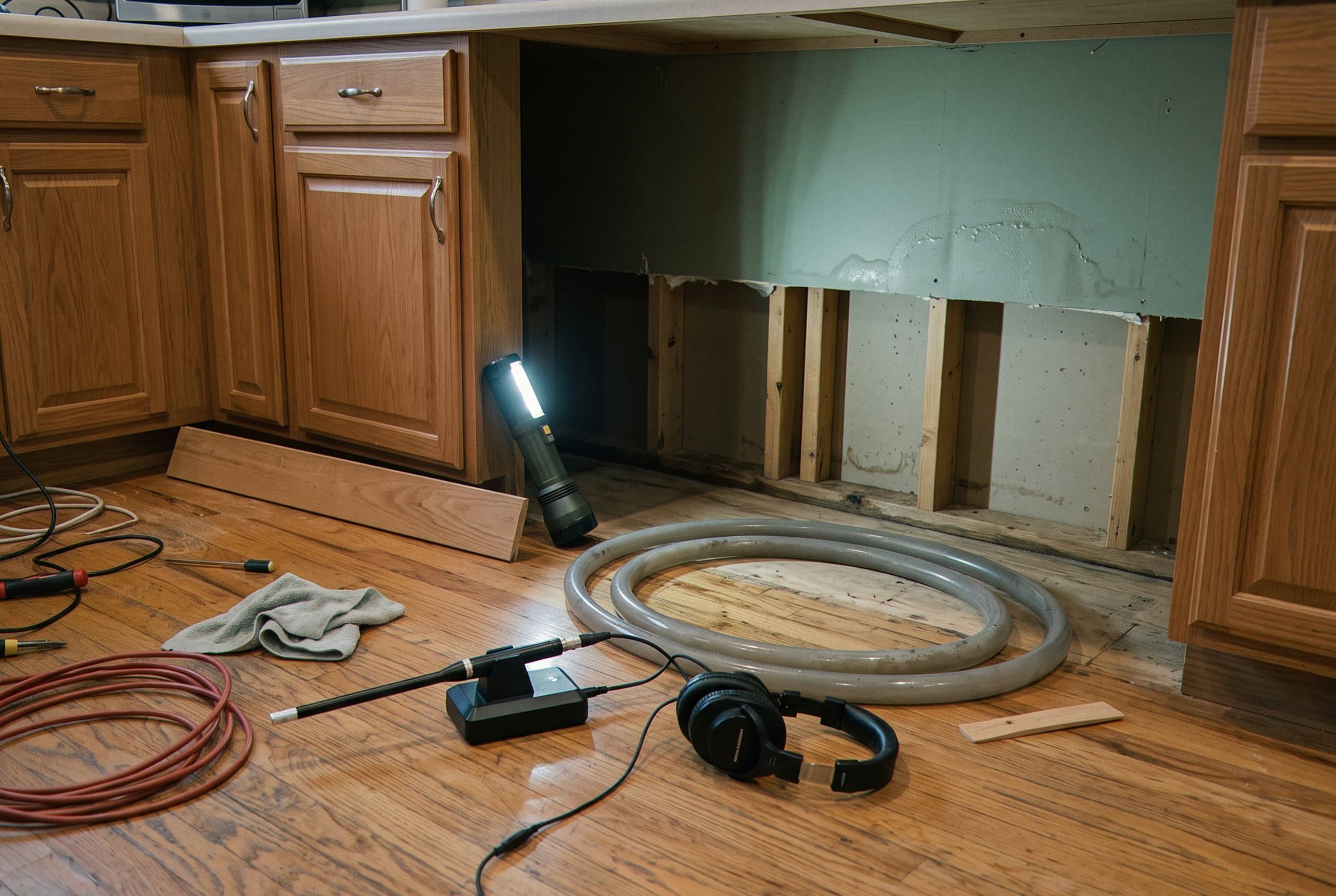
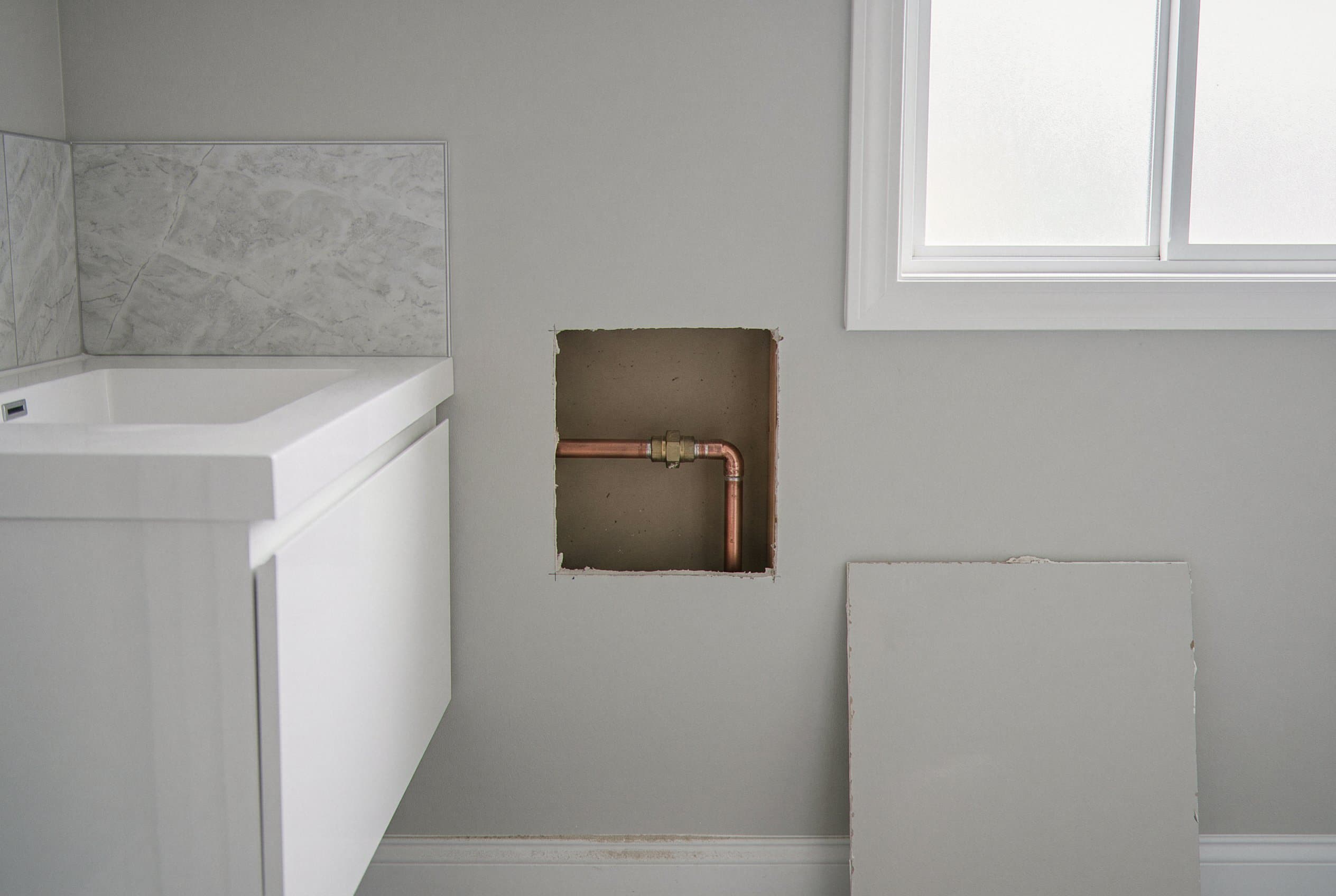
Wall opened to expose burst supply line
What about the alternatives?

Ways to chase a hidden leak, and what each one really does

Homeowners ask us all the time whether they should just start cutting, or try one of the tricks they read about online. Some of those steps are worth doing before we ever pull up. Others waste a weekend or make the damage worse. Here is our honest read on each one.

Electronic leak detection by our crew

Sound, heat, and moisture readings pinpoint the pipe before anything gets opened. It is the fastest route to a real answer, and the easiest on your drywall.

Recommended

Meter test with the house shut down

Free, and it takes ten minutes. It proves there is a leak and roughly how fast it runs. It will never tell you where the water is going, so treat it as a starting point and nothing more.

Acceptable

Dye tablet in the toilet tank

Worth doing first. A worn flapper is a very common reason a bill jumps, and the test costs you nothing but a few minutes. It only clears the toilet, so the rest of the house stays a question mark.

Acceptable

Having a plumber cut where the stain shows

Sometimes right, often wrong. Water travels along framing and lands far from the source, which means the stain marks the exit and not the break itself.

Acceptable

Waiting to see if the wet spot grows

Every day of waiting soaks more framing and insulation. In a St. Louis summer that is also the window where mold takes hold inside the wall cavity. Waiting never gets cheaper.

Skip

Pouring a sealant product into the line

These products can clog aerators, valves, and fixture screens while doing nothing at all for a break inside a wall. We end up cleaning out the mess later.

Skip
How it goes

From quote to walk-on, fast.

01

Your inquiry

Call or send the short form with what is going on at your place. A sentence or two is plenty for the first step.

02

We talk it through

We go over the situation on the phone, ask the questions that matter, and tell you what we would do next.

03

A clear plan

You get a plain-language rundown of the work, the order it happens in, and what to expect on the day.

04

The work gets done

Our crew shows up when we said, does the job, and walks you through the result before leaving.

Before you book

What homeowners ask us before we head out

We hear the same handful of questions on nearly every leak call. Here are the straight answers, before you even pick up the phone.

Can you find the leak without tearing up my house?
That is the whole point of the gear we bring. Sound, heat, and moisture readings tell us where the water is before anyone picks up a saw. Most of the time we open one small spot the size of a dinner plate, right over the pipe. If the leak sits under a slab, we mark the floor and cut only that patch.
My water bill jumped but I see no stain. Is that still a leak?
Very often, yes. A line under a slab or in a crawl space can lose water for months with nothing showing upstairs, because the dirt and the gravel simply drink it. We start at the meter, watch it with the house shut down, then work through the fixtures one by one until the number stops moving.
Should I shut my water off before you come?
Only if water is actively running out and doing damage. For a slow leak, leave the water on. We need pressure in the line to hear it and to see it on the camera. If you already closed the main valve, just tell us when we arrive and we will turn it back on for the test.
Will my insurance cover any of this?
That depends on your policy and on what failed. A sudden break tends to get treated differently than a slow drip that ran for a year. We photograph the source, the moisture readings, and the ruined material, then write it up in plain language. That file is the first thing an adjuster asks for.
How long does the visit usually take?
Most homes take about one to three hours from the knock at the door to a real answer. Bigger houses, slab lines, and several bathrooms push that longer. We tell you what we are seeing as we go, instead of disappearing for an hour and coming back with a verdict you cannot check.
Can you fix it once you find it, or do I call someone else?
Our crew handles the water side of the job from there. We dry the wet framing, pull out the ruined drywall or flooring, and put the room back together again. If a repair falls outside what we do, we say so up front rather than stringing you along for a week.
Aftercare

Keeping a small drip from becoming a flooded floor

A leak almost never starts loud. It starts as a faint tick inside a wall, a warm spot on a tile floor, or a musty smell in the corner of the basement that was not there last month. Older St. Louis housing stock gives you extra reason to pay attention, since plenty of homes here still run galvanized supply lines and cast iron drains that went in generations ago. The newer county subdivisions have their own weak point in the lines buried under the slab. A few minutes of checking each season catches most of this early. Here is what we tell people to watch for.

  • Read your water meter before bed with everything shut off, then read it again in the morning. Any movement means water is going somewhere.
  • Walk the basement each spring. Run a hand along the bottom of the block, because damp block over a dry floor points at a leak and not at rain.
  • Check under every sink twice a year with a flashlight.
  • Watch for a floor tile or a patch of carpet that feels warm underfoot, since that usually means a hot line is leaking somewhere below the slab.
  • Swap rubber washing machine hoses for braided steel ones.
  • Before the first hard freeze, drain the outside spigots and pull the garden hose off. A split hose bibb often leaks inside the wall instead of outside.
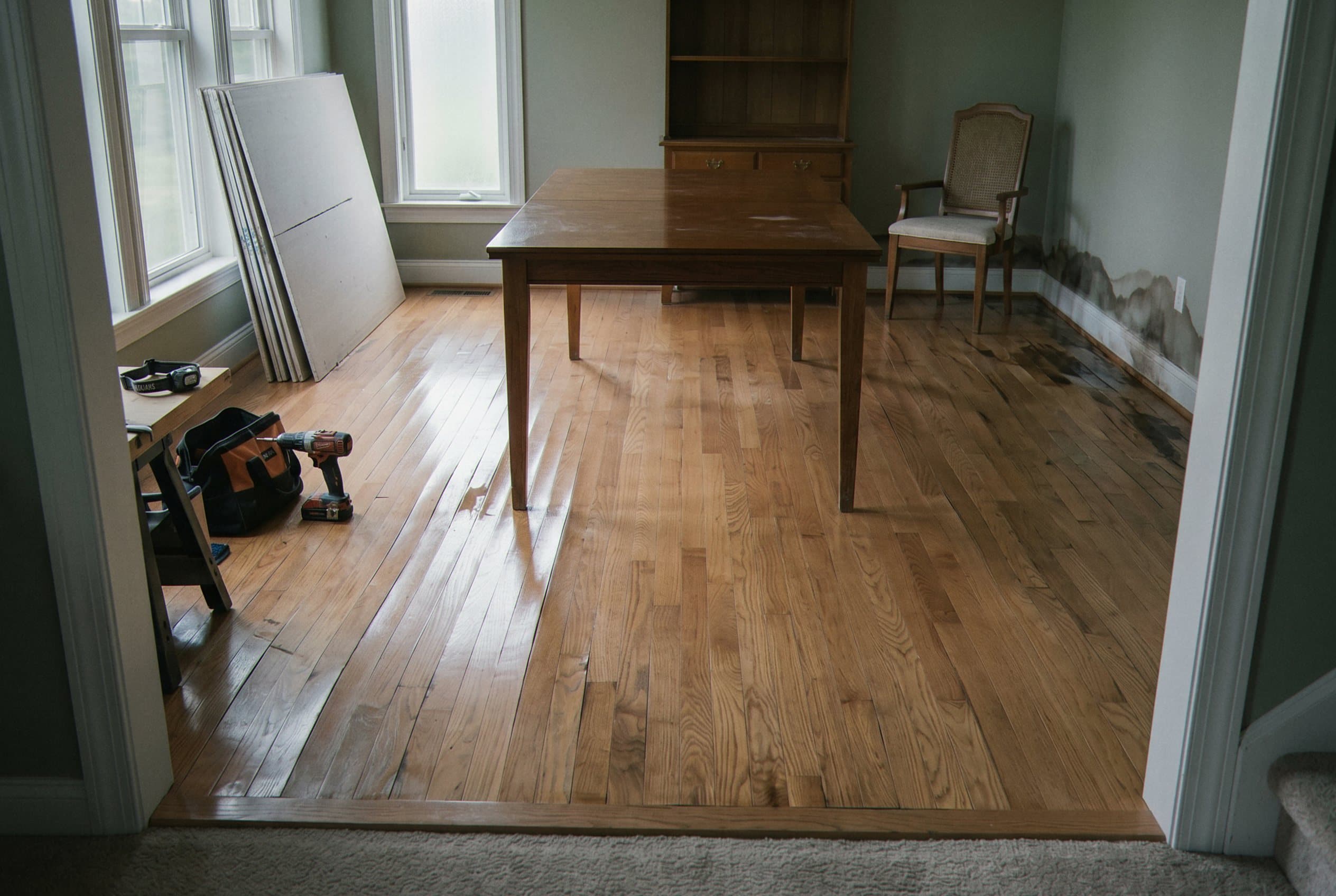
Warped hardwood flooring from water saturation
FAQ

Common questions about water leak detection in St. Louis

How fast can you get to my St. Louis home?
Our line is open at any hour, including the nights when a line of storms puts half the metro on the phone at once. We will not give you a minute count we cannot keep. We will tell you when a crew is leaving, and get your water shut off before we hang up.
What do I do before you get here?
Shut the main if you can reach it dry. Keep away from the panel, and from outlets under water. Photograph everything before it gets moved, and lift furniture off soaked carpet where you can.
Do you work with insurance?
We put together the file adjusters look for. Daily moisture logs, photographs by room, and a scope listing what came out and what stayed and got dried. We deal with the adjuster directly so you are not translating. Whether it is covered is your carrier's call, and not something we will pretend to know.
How long does drying take?
Typically three to five days. A lot of housing here is brick with plaster inside, and both hold water longer than modern drywall over wood framing, so those can add a day or two. We meter it daily against the IICRC dry standard and pull equipment on the readings.
Will mold show up later?
Roughly 24 to 48 hours of wet material is where that starts. Dry it inside that window and you generally never see it. That is why we would rather set equipment tonight than in the morning.
Ready when you are

Let's make your next steps easier

Tell us what is going on at your St. Louis home and we will walk you through the options. One call or one short form is all it takes.

Call (314) 597-7468Make your inquiry
CallContact us