
Water Damage Repair & Reconstruction · St. Louis

Water Damage Repair and Reconstruction in St. Louis

After the water is gone, the real work starts. We rebuild the walls, floors, and rooms the flood ruined and bring your St. Louis home back to the way it felt before any of it happened.

Free Quote

Free Water Damage Repair & Reconstruction quote.

We reply within 1 business hour. No spam, ever.

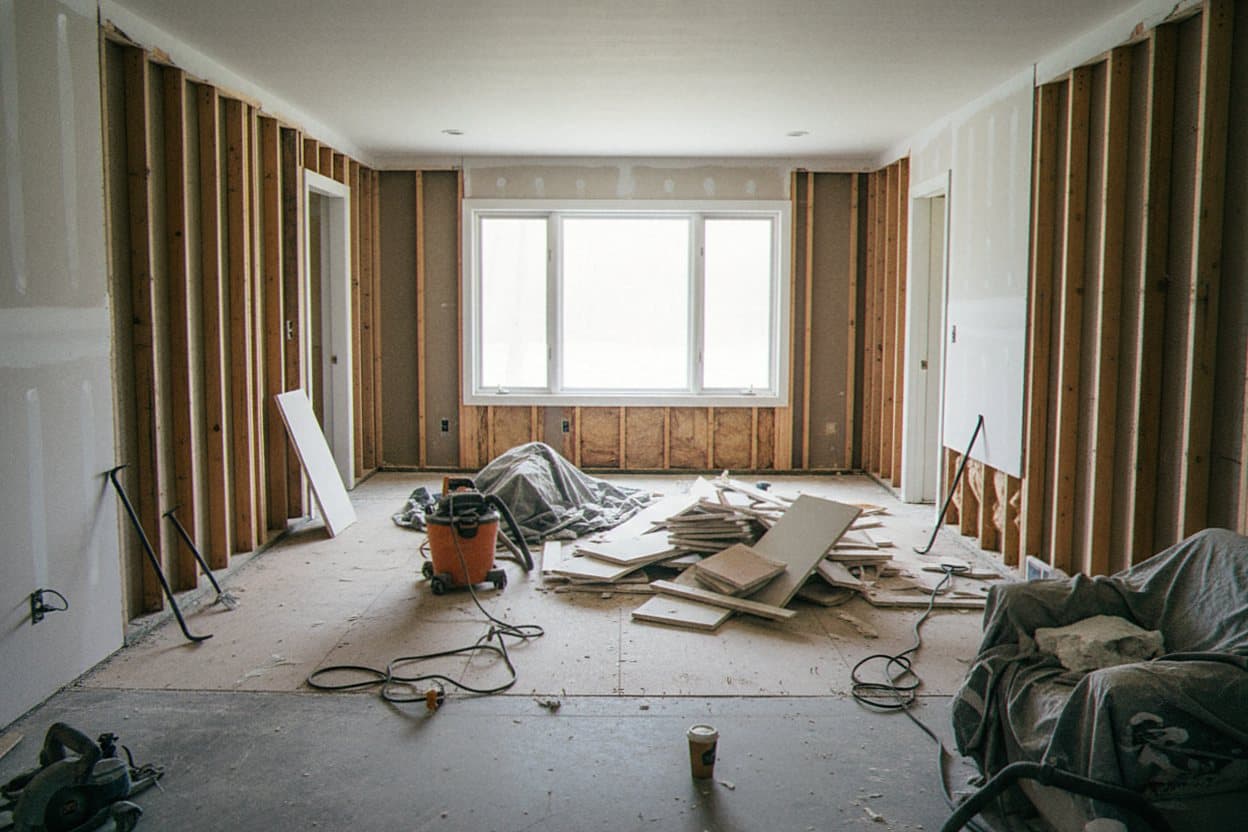
Reconstruction of flooded room drywall framing
Torn out flooring after water saturation
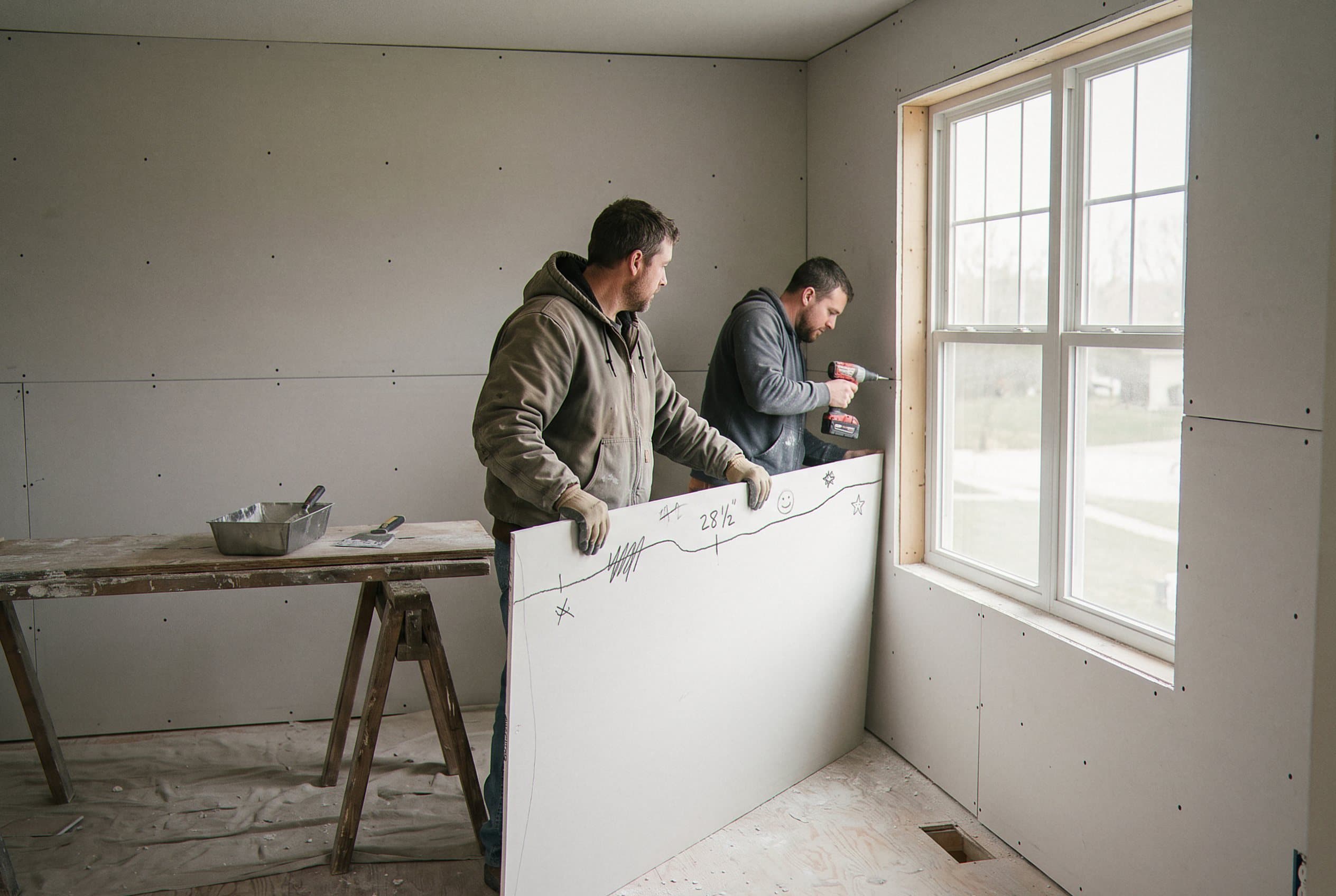
Installing new drywall over framing cavity
What we do

Putting your home back together after water damage

Drying out a soaked house is only the first half of the job. Once the moisture is gone, you are left with everything the water ruined on its way through. Swollen baseboards that pull away from the wall. Drywall stained brown that crumbles the moment you press on it. Hardwood that warped and lifted at every seam. Subfloor so soft it no longer holds a nail. Our crew owns this stage, the rebuild, where your home goes from gutted and bare back to a place you actually want to live in. We tear out what the water destroyed, frame and finish whatever has to be replaced, and blend the new work into the rooms around it. From the brick two stories in South City to the ranch homes out in St. Charles County, we have rebuilt the kind of damage that heavy spring storms and burst winter pipes leave behind. We have seen what a foot of water does to a finished basement, and we know how to put it back.

We start by walking the space with you and writing down every surface the water touched. Then we pull the damaged material out clean, down to sound framing and dry subfloor underneath. New drywall goes up. It gets taped, then sanded glass smooth. We reset trim, rehang doors, lay flooring, and paint so the seam between old and new simply disappears. If the kitchen took the hit, we reset the cabinets and the counters too. If a finished basement flooded, a common story in older St. Louis homes that sit near the rivers, we rebuild the framing, the flooring, and the storage you lost in one careful pass. You get a single crew through the entire job, not a parade of strangers handing the work off between them. Nothing slips through the cracks between the demolition and that final coat of paint, because the same people who tore it all out are the ones who build it back.

  • One crew handles the demolition, framing, drywall, flooring, and paint, so the job never stalls waiting on another trade.
  • We match the new drywall, trim, and flooring to the rooms around it, so the repair never stands out.
  • Finished basements, a St. Louis staple near the rivers, get rebuilt down to the studs when the water sat high.
  • We work alongside your insurance adjuster and document every damaged surface with clear photos and written notes.
  • Work areas stay sealed and get cleaned every day, so dust and debris stay out of the rest of your home.
We do not just dry the house out and leave. We stay until the last room looks like the water never came in at all.

How long the rebuild takes depends on how far the water spread and how long it sat before we got there. A single soaked room can be back to normal in a matter of days. A whole flooded floor with ruined cabinets and subfloor takes longer, because every layer has to go back in the right order and dry before the next one goes on top. We hand you a straight schedule up front and we keep you posted as the work moves along. No vague answers, no surprise delays that we quietly sat on for a week. When a St. Louis storm pushes water into your basement, or a pipe bursts during a long January cold snap, you want the rebuild handled by people who answer the phone and show up the day they said they would. That is the standard we hold ourselves to, on every single job.

If water has torn up part of your St. Louis home and you need it rebuilt, call us. We will come out, look at the damage in person, and tell you plainly what it takes to put the place right. Then we get the repair on the schedule and we stay on it. One crew, start to finish, until your home feels like home again.
Materials

What Goes Back In, and What Comes Out

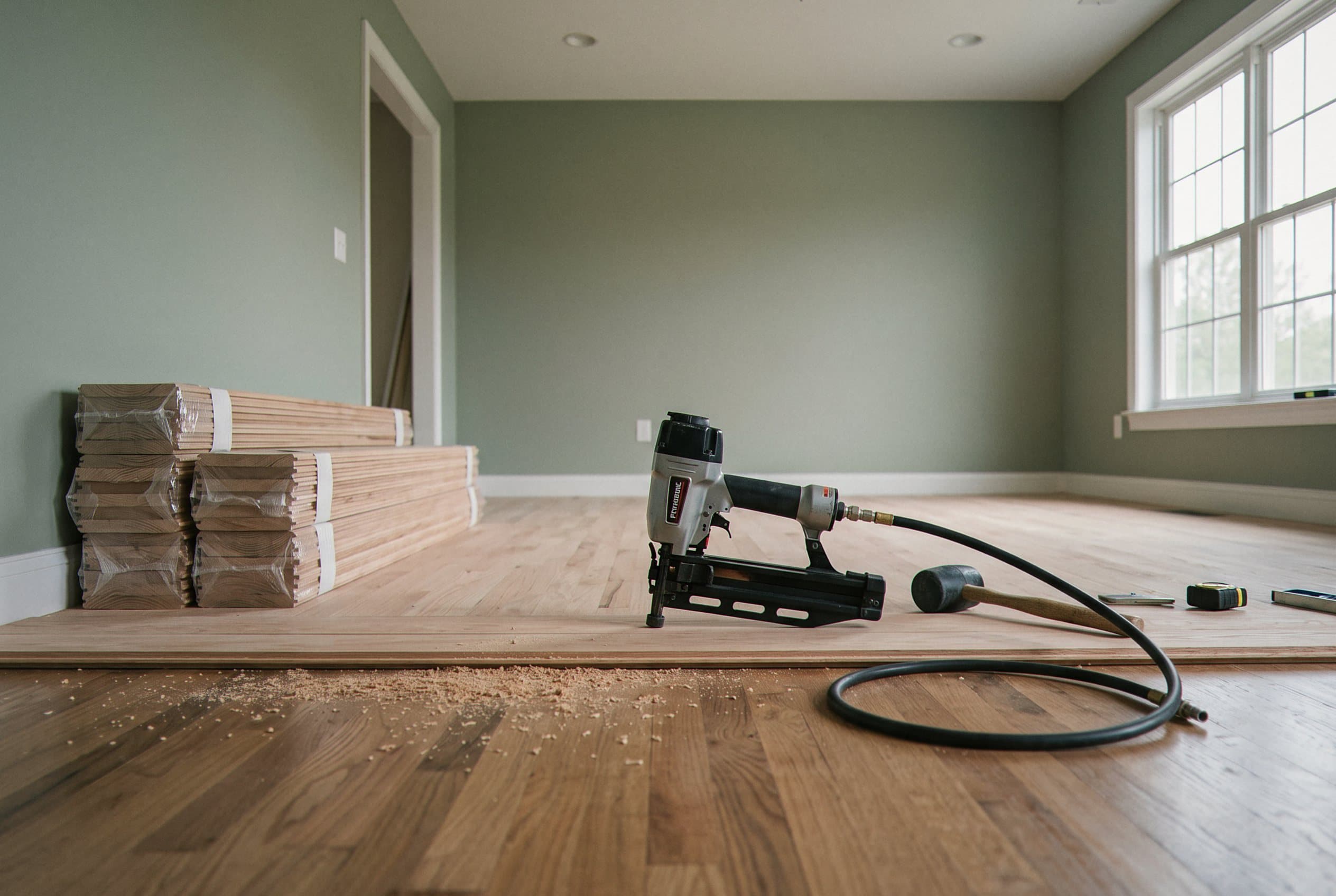
Every board we put back goes in with the next storm in mind. In a St. Louis basement that means we lean toward material that can take a soaking and hold its shape. Paperless wall board on the lower courses instead of standard drywall. Rigid trim in place of the soft stuff that swells and cups. Vinyl plank or tile over the slab rather than carpet and pad, because those two hold water like a sponge and rarely come back from it. Upstairs, where a supply line let go or a tub ran over, we usually match what was already there so the room reads the same as the rest of the floor. All of it gets talked through with you before a single sheet goes up. You hear the honest tradeoff on each choice, how it looks, how it feels underfoot, and how it behaves the next time water finds that room.

The other half of this stage is knowing what cannot be saved. The IICRC standard our crew works to draws a clean line between porous material and hard material, and we hold that line even when it means more demolition than you hoped for. Drywall wicks water up past the tide line, so we cut above it. Wet batt insulation in a wall cavity comes out, since it stays damp long after the studs read dry. Particle board shelving, laminate, soaked carpet pad, and the bottom of a cabinet toe kick all go in the dumpster. Solid framing is a different story. Studs, joists, and beams can usually be dried, cleaned, and left right where they sit, and we would rather save your bones than replace them. Anything we do haul out gets photographed and written down first, so you have a record for your claim.

  • Paperless wall board and rigid trim on the lower walls, where water lands first
  • Hard flooring over a basement slab instead of carpet and pad
  • Framing read on a moisture meter before we ever close a wall
  • Every removed piece photographed and logged for your insurance file
Sanding fresh drywall smooth for painting
Finished flooring installed in rebuilt basement
What about the alternatives?

Ways People Handle the Rebuild

Once the drying gear rolls out, you have a choice to make about the repair. Here is how the usual paths tend to play out in a St. Louis home.

One crew dries the house and rebuilds it

The people who cut the wall open are the ones who close it, so nothing gets lost in the handoff. We already know how far the water traveled, which studs read wet last week, and what came out of that room, and that history saves you from paying twice to learn it again.

Recommended

Bring in a separate builder after the dry out

This works fine when the two crews talk. Plan on repeating the whole story, and on a gap of a few weeks while the new crew walks the job and writes its own scope.

Acceptable

Rebuild one room at a time as funds free up

A fair plan for a big loss on a tight budget. Just get the wet material out of every room first, then finish them in whatever order suits you.

Acceptable

Let the adjuster scope drive the entire repair

That scope is a solid starting point and rarely the whole picture. We walk the house with it in hand and flag what got missed, so the supplement goes in before we build over the damage.

Acceptable

Paint over the stains and move on

The brown line will bleed back through in a season. Worse, paint traps whatever moisture is still living in that wall cavity, and mold does its best work in the dark.

Skip

Screw paneling over the ruined wall

It hides the mess for a while. You are sealing wet insulation and soft drywall behind a board, and the smell always shows up before the buyer does.

Skip
How it goes

From quote to walk-on, fast.

01

Your inquiry

Call or send the short form with what is going on at your place. A sentence or two is plenty for the first step.

02

We talk it through

We go over the situation on the phone, ask the questions that matter, and tell you what we would do next.

03

A clear plan

You get a plain-language rundown of the work, the order it happens in, and what to expect on the day.

04

The work gets done

Our crew shows up when we said, does the job, and walks you through the result before leaving.

Before you book

Straight Answers About the Rebuild

Homeowners ask us the same handful of questions once the fans come out. Here is what we tell them, without the sales polish.

Can you start rebuilding before the house is fully dry?
No, and you would not want us to. We take moisture readings on the framing and the subfloor first, then compare them to dry material elsewhere in the house. Only when those numbers line up do we close anything in. Building over damp wood is how a clean repair turns into a mold job six months later.
Do I have to move out while you work?
Usually not. We seal the work area in plastic, run the dust out of the room, and clean up at the end of each day. If the job takes your kitchen or your only bathroom offline, we say so up front so you can plan around it instead of finding out on a Tuesday morning.
Will the new drywall match the rest of the wall?
That is the whole point of the finish work. We tape, coat, and sand the new board to blend with the texture beside it, then paint corner to corner rather than stopping at the patch. On an older St. Louis home with plaster walls, we talk through the texture question before we start, because a plaster wall and a drywall patch do not behave the same under a roller.
My adjuster missed part of the damage. What happens now?
It happens on a lot of files, especially with damage tucked inside a wall or under a floor. We document what the first scope left out with photos, meter readings, and a written note, and we send that supplement in before we build. You are not stuck paying for what the water did just because it hid well.
Can we save the hardwood floor?
Sometimes. If we reached it early and the boards only cupped, specialty drying panels can pull the water out from underneath and the floor often flattens back down. If the planks curled at the ends, split at the seams, or the subfloor under them went soft, replacement is the honest answer and we will give it to you.
How long until I can use the room again?
One soaked room with a small tear out can be finished in a few days. A flooded lower level with ruined cabinets, trim, and subfloor runs longer, because each layer has to go in and cure before the next one lands on top. We hand you a schedule at the start and we tell you the moment anything on it moves.
Aftercare

Protecting the Room You Just Got Back

A fresh rebuild is the best time to make the next flood less likely. Spring storms roll through here in waves, and a hard January freeze can split a supply line in an unheated corner of the house. None of that is going away. A few small habits and a couple of cheap parts take most of the risk off your plate and protect the work you just paid for.

  • Test the sump pump every few months, and keep a battery backup on hand for the storms that take the power out with them
  • Run the downspouts well past the foundation, and clear the gutters before spring
  • Regrade the soil so it falls away from the house instead of pooling against the block wall, which is where most basement seepage starts
  • Drop a cheap water alarm beside the water heater
  • Swap the rubber washer hoses for braided steel, and shut the water off at the main when you leave town in a cold week
  • Label the main shutoff so anyone in the house can find it fast in the dark, and keep boxes up on shelving instead of flat on the slab
Reconstruction of flooded room drywall framing
FAQ

Questions about water damage repair in St. Louis

How fast can you get to my St. Louis home?
Our line is open at any hour, including the nights when a line of storms puts half the metro on the phone at once. We will not give you a minute count we cannot keep. We will tell you when a crew is leaving, and get your water shut off before we hang up.
What do I do before you get here?
Shut the main if you can reach it dry. Keep away from the panel, and from outlets under water. Photograph everything before it gets moved, and lift furniture off soaked carpet where you can.
Do you work with insurance?
We put together the file adjusters look for. Daily moisture logs, photographs by room, and a scope listing what came out and what stayed and got dried. We deal with the adjuster directly so you are not translating. Whether it is covered is your carrier's call, and not something we will pretend to know.
How long does drying take?
Typically three to five days. A lot of housing here is brick with plaster inside, and both hold water longer than modern drywall over wood framing, so those can add a day or two. We meter it daily against the IICRC dry standard and pull equipment on the readings.
Will mold show up later?
Roughly 24 to 48 hours of wet material is where that starts. Dry it inside that window and you generally never see it. That is why we would rather set equipment tonight than in the morning.
Ready when you are

Let's make your next steps easier

Tell us what is going on at your St. Louis home and we will walk you through the options. One call or one short form is all it takes.

Call (314) 597-7468Make your inquiry
CallContact us